Reykjanes Geopark Small-Group Tour with Airport Transfer

Reviewed · PRIVATE DRIVERS

Reykjanes Geopark Small-Group Tour with Airport Transfer

4.5 · 105 reviews From $134 Operated by Gateway to Iceland · Bookable on Viator
Book on Viator →

Reykjanes feels like another planet. This small-group tour gets you away from Iceland’s main tourist routes and into the Reykjanes peninsula’s geothermal and volcanic drama, from Kleifarvatn and Grænavatn to Gunnuhver mud pools and the Mid-Atlantic Ridge area. I especially like how the driving pairs big views with short, timed walks and photo stops, and how the onboard guide storylines connect the land to Icelandic folklore. The one thing to consider is the weather and timing, since wind and rain can make some viewpoints feel harsher than you expect, and the airport drop can be earlier than you’d hope.

You also get the practical perks: hotel pickup or a nearby meeting point, plus drop-off options that can include Keflavik Airport (for later flights) or the Blue Lagoon. In a group that stays small, the minibus is easy to board, and the live commentary helps you understand what you are actually seeing, not just where it is. My only drawback would be planning around stop durations, because the schedule is tight by design, so you need to move with purpose at each stop.

If you want Iceland’s geology with less crowds, this is one of the best ways to spend half a day.

Key things to know before you go

Reykjanes Geopark Small-Group Tour with Airport Transfer - Key things to know before you go

  • Small-group minibus: Up to 19 passengers, climate-controlled, with live commentary.
  • Real geothermal variety: Lakes, hot spring hills, mud pools, and even abandoned-lava scenery.
  • Two-continent driving moment: The Bridge Between the Continents lets you stand near the tectonic story.
  • Flexible drop-offs: Reykjavik, Keflavik Airport, or Blue Lagoon, based on what you choose when booking.
  • Cold-weather outfit matters: Waterproof shoes and windproof outer layers are not optional in Iceland.

Reykjanes Geopark: the side of Iceland most people skip

Reykjanes Geopark Small-Group Tour with Airport Transfer - Reykjanes Geopark: the side of Iceland most people skip
The Reykjanes peninsula sits just outside Reykjavík, so it feels like a day trip. But it does not feel like a repeat of the Golden Circle. Here, you get the “active land” version of Iceland, where geothermal features and volcanic history show up in plain sight and in close succession.

The big value for you is pacing. This tour is built around multiple short stops rather than one long bus ride followed by one big attraction. You end up seeing a chain of environments, so the trip feels like a geology lesson you can actually walk through.

Also, the tour framing helps. Instead of treating the sights like random photo points, the guide ties the terrain to local beliefs and the way Icelanders talk about natural forces. You will leave with a clearer mental map of why this peninsula looks the way it does.

One more reason it is worth your time: the peninsula is often quieter than the classic routes. That matters when it is windy, because you spend less time fighting for space at viewpoints and more time enjoying the views.

Pickup, group size, and how the minibus ride really works

Reykjanes Geopark Small-Group Tour with Airport Transfer - Pickup, group size, and how the minibus ride really works
This is not a giant coach situation. The tour runs with a minibus limited to 19 passengers (and in practice the max is stated as 17), which is exactly what you want in a country with frequent weather changes. Smaller groups mean faster boarding, less crowding at stops, and more conversational guide talk on the road.

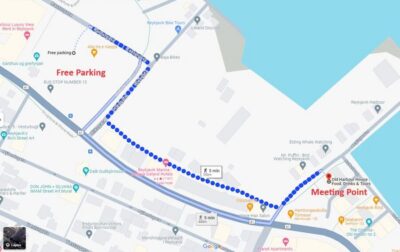
Pickup starts at 9:00 am. Depending on where your hotel is, you might get a hotel pickup from select central locations, or you will meet the driver at a nearby bus stop if your hotel is in Reykjavík’s restricted pickup zones. If you are arriving by cruise, there is a meeting option at the Reykjavík cruise port.

On board you get live commentary, so you are not just staring out the window while the driver focuses on the road. The guide’s narration is especially helpful on Reykjanes, because a lot of the features are subtle up close (like how water color forms in volcanic craters, or how mud pools behave).

One practical note for you: plan to travel light if possible. You are asked to notify the operator about your luggage and your chosen drop-off point (Blue Lagoon, Keflavik Airport, or Reykjavík). That matters because you do not want your bag to become an obstacle at each stop.

Stop 0 to Hafnafjörður: start with local context before the geology

After leaving Reykjavík, the route passes by recognizable areas like the president’s house and older fishermen’s houses around Hafnafjörður. This is a short section, but it sets the tone. You get reminded that this is not just “scenery,” it is a lived-in region shaped by wind, seawater, and volcanic land.

You will then head southwest toward the Reykjanes peninsula. This is where the views start getting dramatic fast, and where camera-ready moments begin, even before the first official stop.

Kleifarvatn Lake: a fissure-zone lake with spooky potential

The first stop is Kleifarvatn Lake, about a 10-minute visit. The key detail here is that this water is fed entirely from underground and sits in a fissure zone. That is why it feels different from a typical lake system, and why the guide’s explanations matter.

The tour also leans into Icelandic folklore for atmosphere. This lake is rumored to be hiding odd creatures in its depths, which is a classic Iceland move: scientific geography and story life in the same breath.

For you, the realistic expectation is weather. Kleifarvatn can be extremely windy. Bring a hat that stays on, and treat your first stop as a moment to get the photos quickly, then enjoy the view from a sheltered angle if you can find one.

The good news is time. Ten minutes is enough to see it, frame your photos, and move on, without turning your morning into a long wait.

Grænavatn: teal crater water and the sulfur story

Reykjanes Geopark Small-Group Tour with Airport Transfer - Grænavatn: teal crater water and the sulfur story
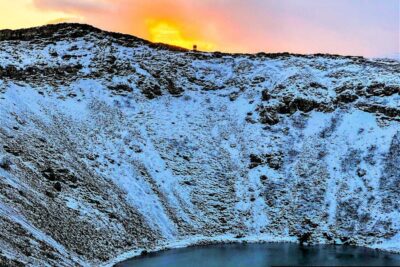
Next is Grænavatn, also around 10 minutes. The name literally translates to a green lake, and the color is tied to sulfur and depth (about 45 meters is stated).

This is a great stop if you like “how it works” details. Iceland’s geothermal systems often look like they are doing something alive, but the explanation here gives you a reason you can repeat. If you want one stop that makes you understand the science behind the color, this is it.

You should still bundle for outdoors time. Even with short visits, Iceland does not care that you planned for a quick photo. Wind, fine rain, and sudden gusts can happen between stops.

Krysuvik geothermal hills walk: short legs, hot springs close by

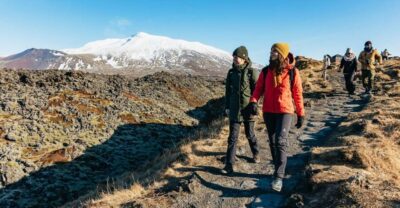
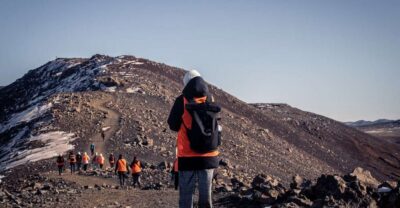
The tour then goes to the Geothermal Area at Krysuvik for about 30 minutes, including a walk between bubbling hot springs. This is one of the places where you get a bit more “get out of the vehicle and feel it” time.

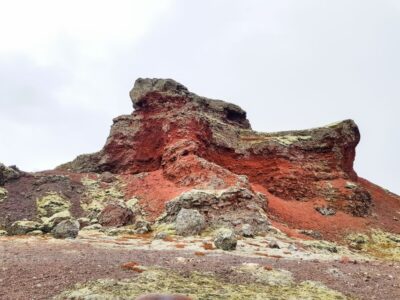
What makes Krysuvik special is the color and texture of the hillside. The multi-colored hills are part of what draws you in, but the walk is the payoff, because you see geothermal activity right there at ground level.

How active is this section? The schedule suggests a manageable walk. It is not presented as a long hike, and the way this tour is commonly praised includes that walking is not excessive. If you are traveling with limited mobility or you just want fresh air without a major trek, this is still a good stop.

Gunnuhver mud pools: geothermal drama plus a ghost story

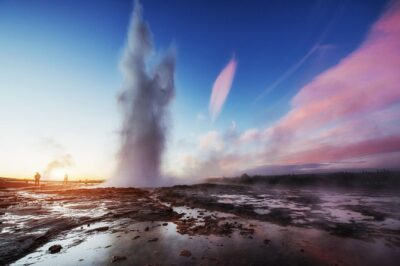
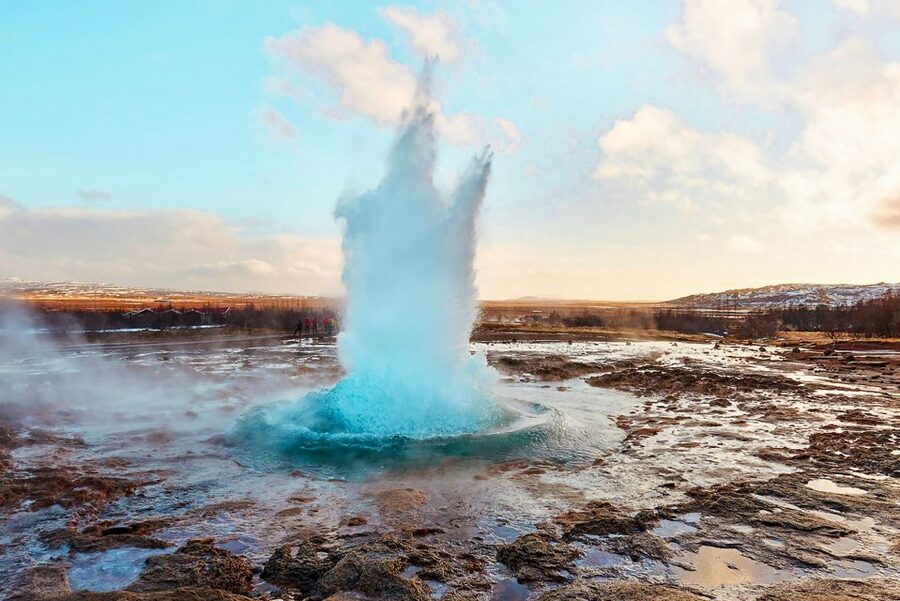
The big personality stop is Gunnuhver Hot Springs, for about 20 minutes. This is where you see geothermal mud pools and hear a ghost story embedded in the site’s past.

Why this matters for your experience is simple: mud pools are visually loud. They look like the ground is alive, but they are also a good reminder that geothermal activity is not a single type of sight. You go from crater water to bubbling springs to shifting mud, and it all connects.

This is also a stop where your senses kick in. Expect smells and heat at the site, and keep your distance where people are told to stay back. Iceland’s ground can be unpredictable.

If you are sensitive to strong odors, a quick pause to orient yourself helps. You can enjoy the views without lingering too long in the thickest areas.

Grindavík and the lava fields: eerie, quiet, and close

Reykjanes Geopark Small-Group Tour with Airport Transfer - Grindavík and the lava fields: eerie, quiet, and close
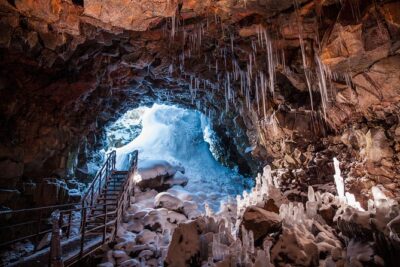
After Gunnuhver, you visit Grindavík for about 15 minutes. This stop focuses on dramatic terrain, including newly formed lava fields and an eerie view of an abandoned city that was once a thriving community.

This is the emotional stop, even though the time is short. The point is not to linger, it is to understand what volcanic activity does to real homes and local life. When you are on the road in Iceland, volcanic landscapes can become a theme park if you only look at them as photos. This stop helps you keep perspective.

For you, the practical tip is to wear the same waterproof layers you wore for the lakes, because lava terrain often means you are standing on exposed ground, and Iceland wind can cut through quickly.

Reykjanesviti lighthouse and rock formations: the oldest lighthouse moment

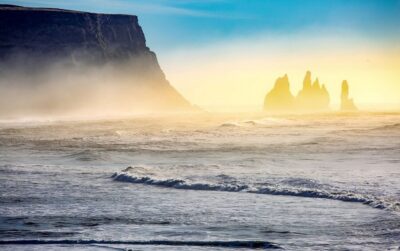
Next is Reykjanesviti, Iceland’s oldest lighthouse, with about 20 minutes. This is not just a “check the lighthouse” stop. It is also your chance to admire rock formations along the Valahnúkamöl ridge.

If you like variety, this is where the tour shifts from active geothermal ground to coastal geology and hard rock shapes. The lighthouse anchors the scene, literally and visually, and it gives you a sense of time and navigation in a place where weather can turn fast.

Keep in mind that lighthouses are often on windy stretches. Even if the stop is short, dress like you are going to be outside for longer than you planned.

Bridge Between the Continents: the tectonic boundary drive-up

The tour includes the Bridge Between the Continents crossing twice, once as part of the route in the details and again as a featured stop near the end, with about 20 minutes at the final highlight. This is over a major fissure tied to the Mid-Atlantic Ridge.

The reason this moment is so satisfying is that you are not just reading about plate boundaries. You are in the region where Europe and North America meet and separate, and the bridge gives you a clear place to orient yourself.

For photos, timing matters. Wind can be intense, and your best shots will depend on which side you stand and where you can angle the bridge and fissure visuals into the frame. If you want a calmer shot, keep moving with the group, then take 2 to 3 minutes on your own once you find a stable spot.

Lunch in Keflavík Harbor: where to eat, how to plan it

There is a lunch pause in the harbor town of Keflavík. The exact lunch timing is not laid out in the provided info, but the structure is clear: you can bring your own or buy food upon arrival.

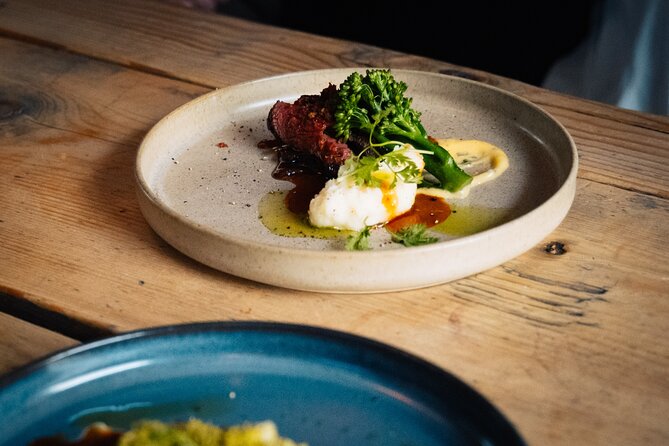
This is one of the best places to eat on a tour like this because Keflavík is a real town, not a staged stop. If you plan ahead, you can save money by bringing a sandwich and snacks. If you want a proper meal, you will have options right at the harbor area.

If you are booking for a later airport drop-off, remember lunch is part of your schedule. Keep water with you and avoid anything too time-consuming if you need to catch the transfer.

Airport drop-off and Blue Lagoon option: plan for the last stretch

One of the reasons people like this tour is that it can end in a way that saves you hassle. You can choose your drop-off location when booking.

If you are heading to Keflavik Airport, the tour states it is for flights departing 4:00 pm or later. One review-related detail that you should treat as a real planning point is that airport drop-offs can be significantly earlier than your flight time, based on the schedule. In other words, do not bank on a “near departure” drop. Plan to have time after you are dropped.

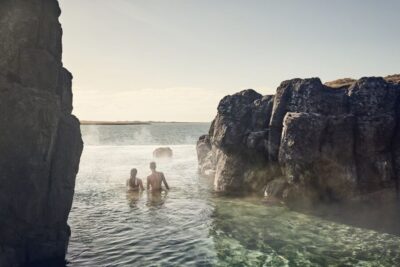
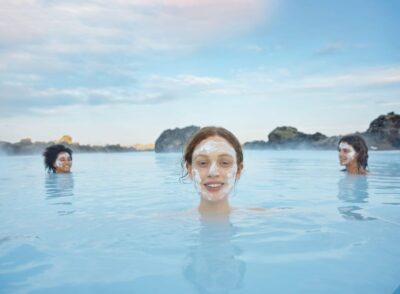
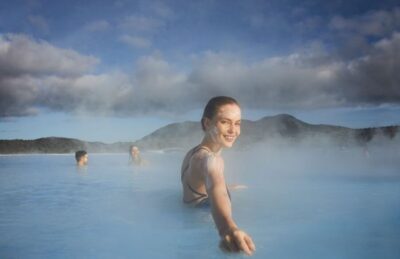
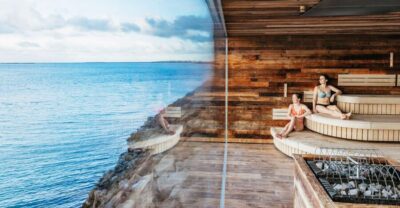
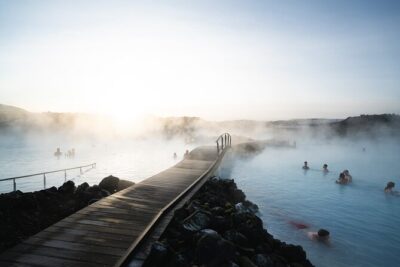
If you choose Blue Lagoon, the tour can drop you there as well. Blue Lagoon admission is not included, so you would still need to arrange tickets separately.

For you, the best strategy is to build in flexibility. If your flight is tight, pick the drop-off that gives you the safest buffer, and consider that winter driving and weather can add time.

Weather, clothing, and the Iceland reality check

The tour specifically recommends solid, warm, waterproof shoes plus warm, rain- and windproof outer clothing. That is not marketing fluff. Reykjanes includes exposed areas, coastal winds, and geothermal sites that you cannot treat like indoor attractions.

What to wear:

  • Waterproof shoes with grip
  • Warm layers you can add or peel quickly
  • Windproof outer layer
  • A hat or hood that stays on

Also, note that winter has specific risk: heavy snowfall can close roads along Kleifarvatn, Krýsuvík, and Grænavatn. When that happens, the operator reserves the right to alter the route and add extra stops instead.

Even outside winter, volcanic activity can cause route changes. That means you should expect the plan to flex if conditions require it. The good part is that the tour is designed to keep delivering geothermal highlights even when the driving route shifts.

Who this tour fits best (and who should rethink it)

This tour is a great match if you want:

  • A concentrated geology day without committing to a full day of driving
  • Multiple geothermal stops in one run
  • A small group experience with live guide context
  • A way to either end at the airport or tie your day into Blue Lagoon plans

It is also a strong choice for people who do not want long hikes. The itinerary includes short walks at places like Krysuvik and short timed stops elsewhere, so the overall walking demand is manageable.

Reconsider it if:

  • You dislike wind and cold outdoor time, since multiple stops are exposed
  • You want lots of free, unstructured wandering, because the schedule is built around efficient stops
  • You have a very rigid flight plan and would be uncomfortable arriving at the airport much earlier than your departure

Price and value: why $134 can make sense

At $134 per person for a 7-hour tour with pickup and drop-off, the price is not cheap on paper. But the value comes from four places.

First, you get local transportation that does the heavy lifting for you, including hotel or nearby meeting logistics and a minibus built for smaller groups. Second, you get live guide commentary, which helps you understand what otherwise might feel like random geothermal stops. Third, the itinerary stacks multiple paid or visually intense features into one morning, from geothermal lakes to mud pools to tectonic boundary viewpoints. Fourth, the optional drop-off at Keflavik Airport or the Blue Lagoon can save you from hiring separate transport.

If you compare it to paying for separate taxi rides or piecing together self-drive in bad weather, this is often a smarter use of your time. The only way it stops being good value is if you hate outdoor conditions or you end up skipping most stops. With the right mindset and clothing, you should see enough that the cost feels justified.

Should you book Reykjanes Geopark with airport transfer?

I think you should book if you want Iceland’s active geology without the crowds and without a full day commitment. It is also a practical win if you have an evening flight, because the Keflavik Airport option is designed for travelers who need transport.

Book it especially if:

  • You like learning how the scenery works, not just looking at it
  • You want a small group tour with a guide who connects sites to how Icelanders think about the land
  • You can handle wind and you will dress for it

Skip or reconsider if you:

  • Need lots of time for slow, independent exploring at each stop
  • Have an extremely tight airport timing requirement and do not want any buffer
  • Are uncomfortable being outside at multiple exposed viewpoints

If you do book, pack smart for weather, keep your expectations aligned with short stops, and choose your drop-off point with extra time in mind.

FAQ

How long is the Reykjanes Geopark tour and when does it start?

The tour runs for about 7 hours and starts at 9:00 am.

What does the pickup look like in Reykjavik?

Pickup is offered from select central Reykjavik hotels. If your hotel is in a restricted area, you will meet at a designated bus stop that is only a few minutes walk away. You can also meet at the Reykjavík cruise port.

Can I choose where I am dropped off at the end?

Yes. You can end back at your original departure point in Reykjavik, or select drop-off at the Blue Lagoon or at Keflavik Airport for flights departing 4:00 pm or later.

Is the Blue Lagoon included in the tour price?

No. Blue Lagoon admission is not included, and you must arrange it separately if you choose that drop-off option.

Is lunch included?

No. Food and drinks are not included. You can bring your own or purchase lunch during the Keflavík harbor stop.

How much walking is there?

The tour includes a walk between bubbling hot springs at Krysuvik. Other stops are short viewing times, and overall walking is not described as extensive.

What should I wear for this tour?

Wear solid, warm, waterproof shoes. Bring warm rain and windproof outdoor clothing, since the peninsula can be very windy and cold.

What happens if volcanic activity or snow affects the route?

The route can change due to volcanic activity in the region, with alternative routes used in rare cases. In winter, heavy snowfall can close roads along parts of the route, and the itinerary may be altered with additional stops.

Is there free cancellation?

Yes. You can cancel for a full refund up to 24 hours in advance of the experience start time.