
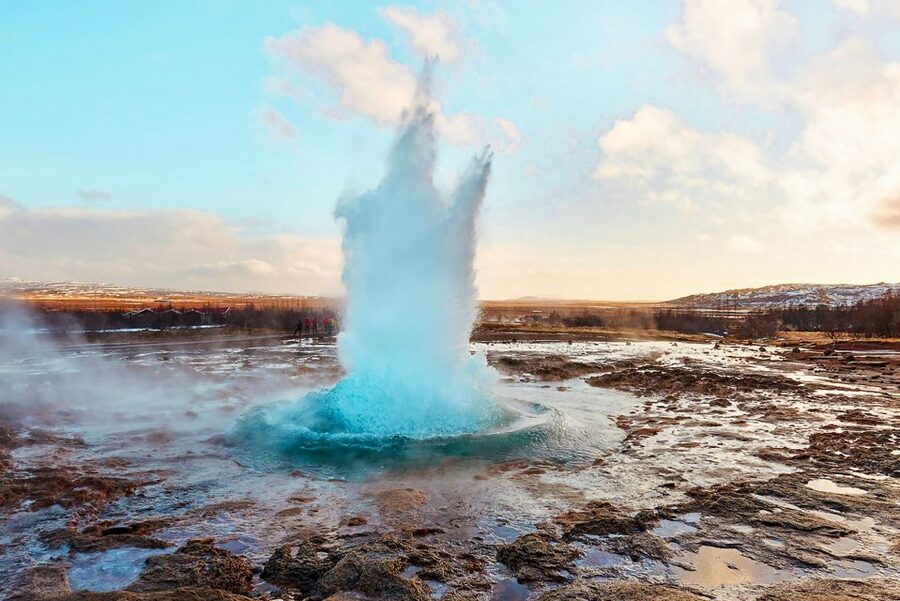
Build the Iceland day that fits.
Golden Circle mornings, glaciers down the south coast, whales off the old harbour and the aurora after dark, compared by route, pickup and the time each day really takes.
Put the difficult days in place first.
Start with the bookings that depend on transport, daylight or a clear sky. Lock in the long road days, leave Reykjavik itself flexible, and keep a spare evening for a second aurora attempt.
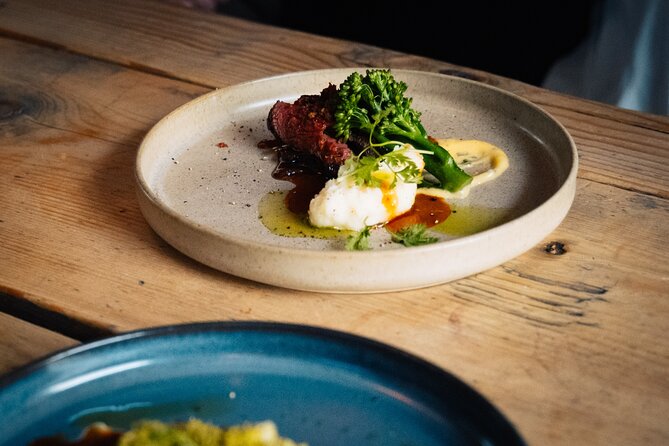
Reykjavik Food Walk – Local Foodie Adventure in Iceland
A 3-hour Reykjavik walking food tour with 8+ tastings, classic landmarks, and small-group history, led by top local guides.
From $146 per person
Read the review → ★ 4.8Books out fastSky Lagoon Entrance Pass With 7-Step Spa RitualFrom $1116,166 reviews
 ★ 4.8Traveller favouriteGolden Circle, Kerid, & Secret Lagoon TourFrom $1326,009 reviews
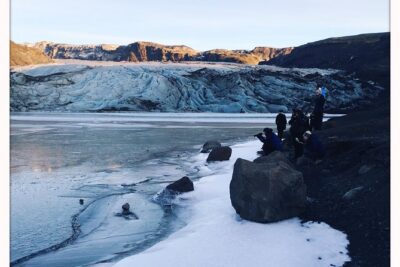 ★ 5.0Small groupsIceland South Coast Full Day Small-Group Tour from ReykjavikFrom $1395,988 reviews
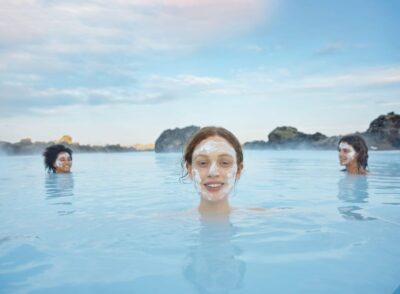 ★ 4.6Weatherproof pickBlue Lagoon: Admission Package with Drink, Towel, and MaskFrom $1095,421 reviews
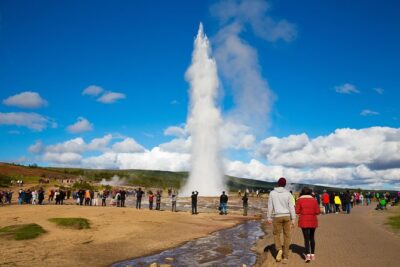 ★ 4.5Easy winGolden Circle Classic Day Tour from ReykjavikFrom $735,195 reviews
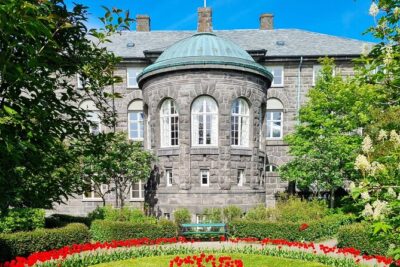 ★ 5.0Year-roundReykjavík Small group Walking Tour – by CityWalkFrom $535,076 reviews
The loop that earns its early start.
Thingvellir opens the landscape, Geysir sets the pace and Gullfoss supplies the finale. Kerid adds colour; a lagoon adds warmth. The useful differences are pickup time, vehicle size and whether the route leaves enough daylight at each stop.
Golden Circle, South Coast, or Snaefellsnes?
These routes ask for different amounts of road, daylight and walking. Compare the shape of the day first, then choose the tour whose pickup, group size and stops fit your plans.
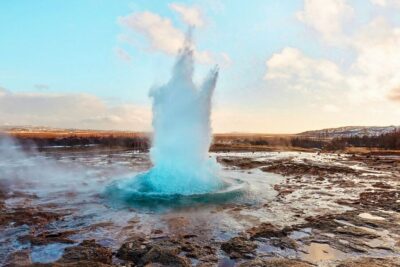 The greatest hits
The Golden Circle
7 - 8.5 hours · from $82 · 24,485 reviews
A compact circuit through Thingvellir, Geysir and Gullfoss, often with Kerid or a warm-water stop added. Choose it when you want the classic Iceland landmarks without spending most of the day on the road.
Compare the Golden Circle days →
The greatest hits
The Golden Circle
7 - 8.5 hours · from $82 · 24,485 reviews
A compact circuit through Thingvellir, Geysir and Gullfoss, often with Kerid or a warm-water stop added. Choose it when you want the classic Iceland landmarks without spending most of the day on the road.
Compare the Golden Circle days →
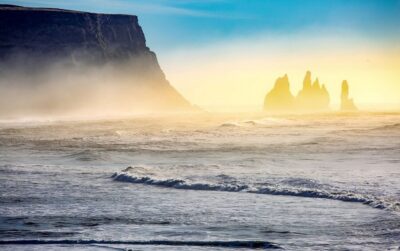 Waterfalls and black sand
The South Coast
10 hours · from $126 · 11,030 reviews
Seljalandsfoss, Skogafoss and Reynisfjara make a bigger, wetter and much longer day. Choose it for the coast and waterfalls; add a glacier only if you are comfortable with an early pickup and a late return.
See the South Coast days →
Waterfalls and black sand
The South Coast
10 hours · from $126 · 11,030 reviews
Seljalandsfoss, Skogafoss and Reynisfjara make a bigger, wetter and much longer day. Choose it for the coast and waterfalls; add a glacier only if you are comfortable with an early pickup and a late return.
See the South Coast days →
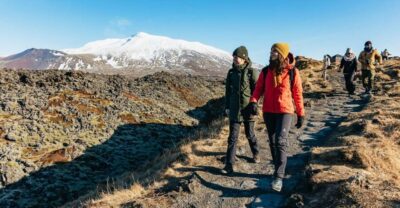 Iceland in miniature
Snaefellsnes
11 hours · from $143 · 3,457 reviews
Kirkjufell, lava fields and fishing villages sit around a glacier-capped peninsula. Choose it for varied scenery and fewer coach stops, accepting that the drive is long and winter daylight can tighten the route.
See the Snaefellsnes days →
Iceland in miniature
Snaefellsnes
11 hours · from $143 · 3,457 reviews
Kirkjufell, lava fields and fishing villages sit around a glacier-capped peninsula. Choose it for varied scenery and fewer coach stops, accepting that the drive is long and winter daylight can tighten the route.
See the Snaefellsnes days →
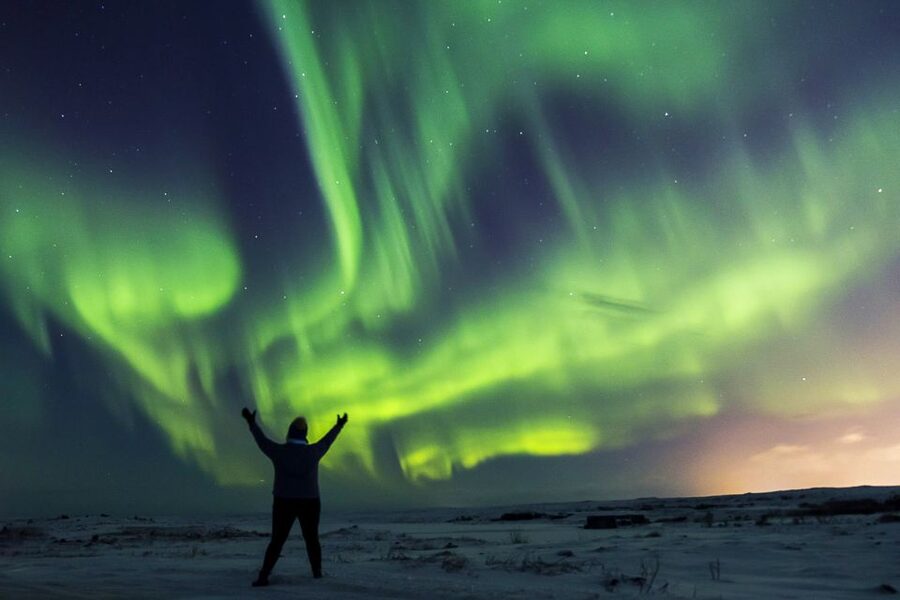
Keep one night movable.
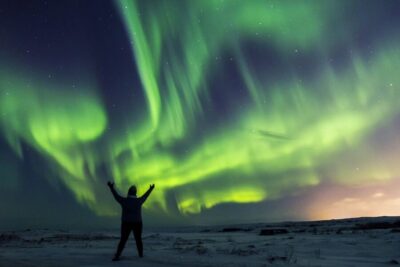
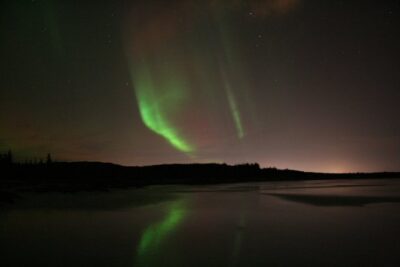
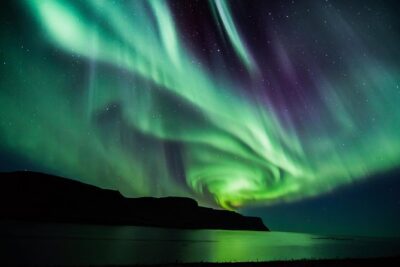
Aurora tours trade a fixed route for a better patch of sky. Check how far the guide will chase, whether photographs and warm gear are included, and what the rebooking promise covers when cloud wins.
Choose the soak by where it fits.
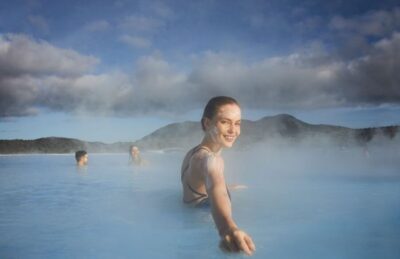
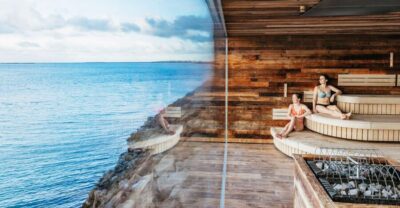
The Blue Lagoon works naturally with an airport transfer. Sky Lagoon fits an evening in the city. Smaller geothermal pools make sense when they sit on a route you already plan to drive.

Know what the ice requires.
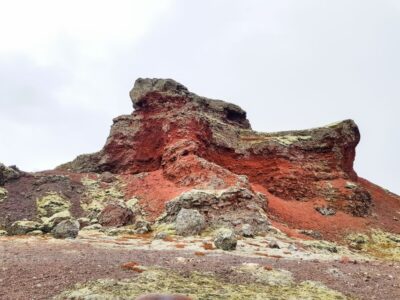
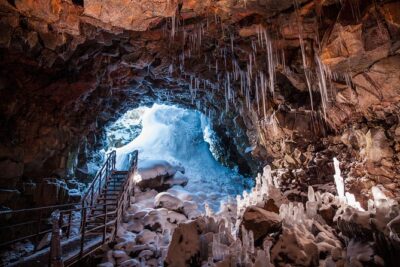
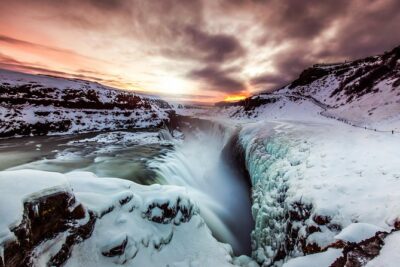
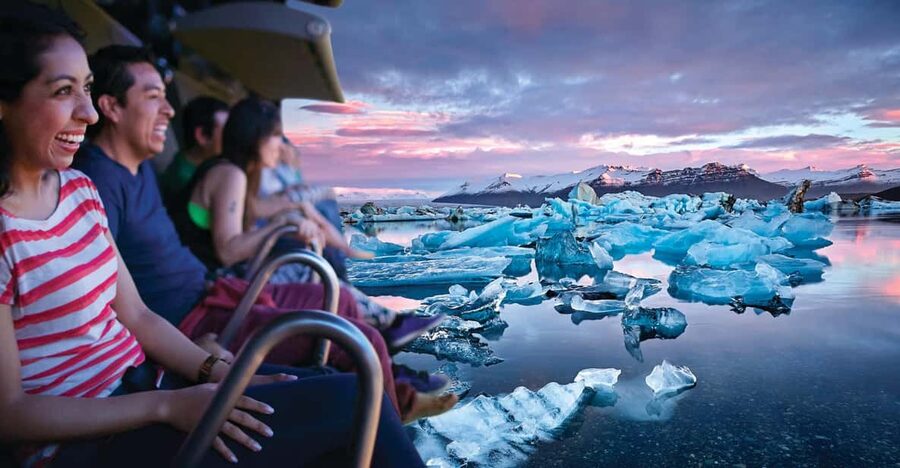
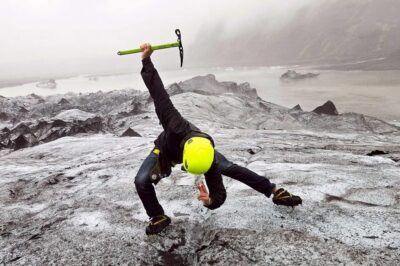
A glacier walk, seasonal ice cave and lava tunnel are three different outings. Check the transfer length, minimum age, footwear and supplied safety gear before the photographs make the decision for you.
Save a weather day for the capital.
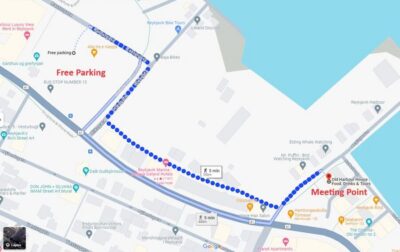
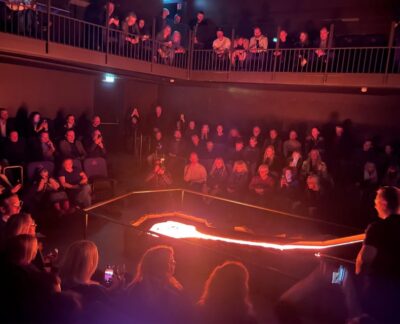
Hallgrimskirkja, Harpa and the old harbour need no coach schedule. Perlan, FlyOver Iceland and the Lava Show give bad weather somewhere useful to go, making the city the easiest day to move around the forecast.
Read the road before booking the seat.
The Golden Circle is compact. The South Coast keeps going. Snaefellsnes rewards patience, while Faxafloi starts at the harbour. Pick the geography that matches the hours you are willing to spend away from Reykjavik.
Pick the condition, not just the picture.
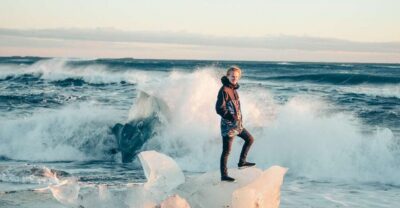
Some bookings need darkness, some need calm water and others need a full day of usable weather. Start with the experience you want, then compare what each ticket and transfer actually covers.
Reykjavik is the departure point.
The worthwhile question is not whether a place can be reached in a day, but how much time remains once you arrive. Compare pickup, driving hours and turnaround points before choosing the farthest name on the map.
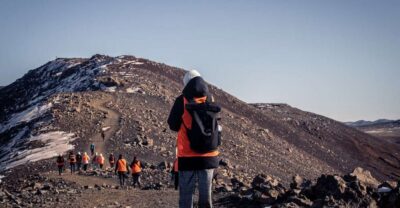
A first itinerary with room for weather.
Use the airport route on arrival, take the compact loop while your energy is high, and reserve the longest coast day for the clearest forecast. The sequence can move without unravelling the trip.
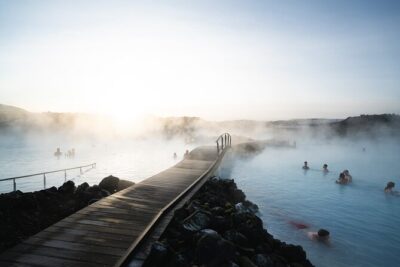 Day 1
Land, soak, wander
Use the road from Keflavik for a lagoon stop, then keep the city light: Hallgrimskirkja, the harbour and an early night before the longer pickups begin.
Plan day one →
Day 2
The Golden Circle
Take the compact circuit through Thingvellir, Geysir and Gullfoss. Add Kerid or warm water only if the timing still leaves an unhurried stop at each headline sight.
Plan day two →
Day 3
The south coast
Set the clearest day aside for Seljalandsfoss, Skogafoss and Reynisfjara. A glacier add-on changes the pace, so check the return time before adding another stop.
Plan day three →
Day 1
Land, soak, wander
Use the road from Keflavik for a lagoon stop, then keep the city light: Hallgrimskirkja, the harbour and an early night before the longer pickups begin.
Plan day one →
Day 2
The Golden Circle
Take the compact circuit through Thingvellir, Geysir and Gullfoss. Add Kerid or warm water only if the timing still leaves an unhurried stop at each headline sight.
Plan day two →
Day 3
The south coast
Set the clearest day aside for Seljalandsfoss, Skogafoss and Reynisfjara. A glacier add-on changes the pace, so check the return time before adding another stop.
Plan day three →
Fresh routes and newly checked departures.
 ★ 5.0Golden Circle and Kerlingarfjöll Private TourFrom $1,8023 reviews
 ★ 5.0Private South Coast tour with Glacier walkFrom $2,4433 reviews
 ★ 5.0Glacier lagoon tourFrom $3,5503 reviews
 ★ 3.5Award Winning Private Northern Lights Tour with All InclusiveFrom $1,3803 reviews
 ★ 5.0From Skarfabakki Cruise Terminal: Private Transfer to KEF AirportFrom $2263 reviews
 ★ 5.0Full Day Private Bespoke South Coast TourFrom $2,0793 reviews
 ★ 5.0Private Transfer from Reykjavik to Reykjavik Airport KEF by SedanFrom $1543 reviews
 ★ 3.5Private Classic South Coast TourFrom $2,2063 reviews