
Reviewed · REYKJAVIK FOOD & DRINK TOURS
Reykjavik Food Tour – Old Harbor Walking Tour
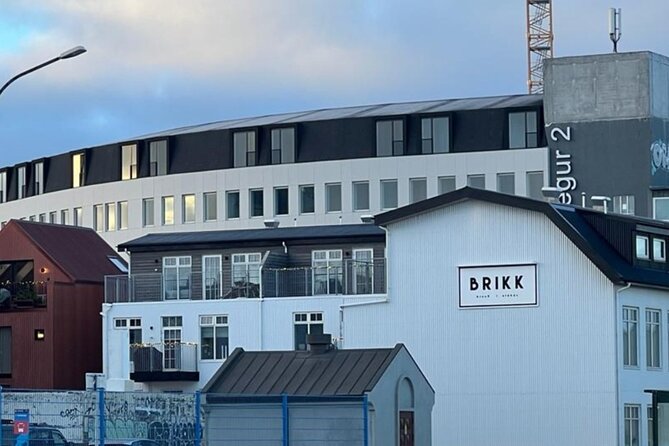
Old Harbor has a way of tasting real life. This Reykjavik food tour strings together Icelandic cuisine with the port story that shaped the country. You’ll walk through the Grandi and Old Harbor area and stop at places like the Saga Museum, the Northern Lights Center, and the Maritime Museum.
What I like most is how practical the experience feels. You get a real-food sampling tour that hits at least six different eateries or street-food vendors, not just a couple of small bites.
The second big win is the guide energy and the way facts connect to what you eat. The best versions are led by guides like Sabrina, who brings enthusiasm and ties the city’s fishing roots to modern food and daily life.
One consideration: the tour requires good weather, so if Reykjavik is doing its wet and windy thing, bring proper layers and expect possible schedule changes.
Key highlights you should care about

- Six-plus tasting stops across Old Harbor, so you actually build a picture of what people eat
- Max 8 people, which keeps it conversational, not chaotic
- Free museum-style stops at the Saga Museum, Northern Lights Center, Maritime Museum, and Iceland Ocean Cluster
- Fishing-industry context that links history and today’s topics like sustainability and fish farming
- A modern food focus, with less emphasis on older shock foods like fermented shark
Still hungry? More tastes of Reykjavik
- Reykjavik Food Walk – Local Foodie Adventure in Iceland★ 5.0 · 18,952 reviews
- Reykjavik: Guided Foodie Walking Tour with 6 Tastings★ 4.9 · 1,645 reviews
- Reykjavik: Icelandic Food Tour★ 4.7 · 407 reviews
Why Old Harbor is the right setting for an Icelandic food tour
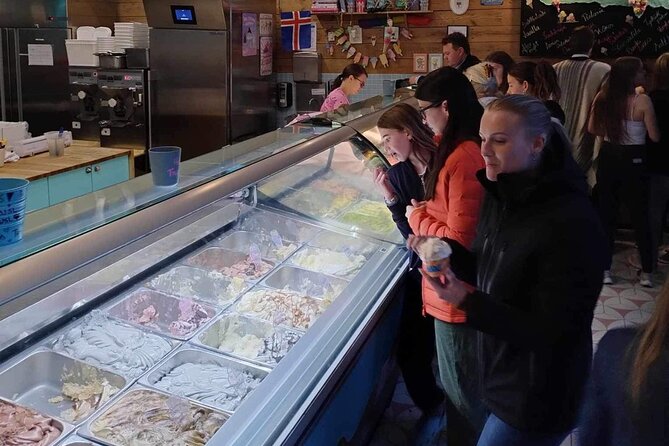
Old Harbor is where Reykjavik makes sense. You’re not eating in a vacuum. You’re surrounded by the port world that explains why fish, sea salt, and preservation traditions matter so much. Even when you’re hopping between small restaurants and street bites, the walking route keeps reminding you that food here is tied to work boats, supply chains, and what the ocean provides.
This tour also matches the way most people experience Reykjavik for the first time. You’ll pass a cluster of landmarks that most first-time visitors see on a map. Then you slow down. You pause for brief museum time and a few tastings, which helps you stop treating the city like a checklist.
The small-group format helps too. With a maximum of 8 people, you’re more likely to get answers to the questions you actually have, like what’s common at local places or why Icelandic food tastes the way it does.
And because it’s a private tour for your group, you don’t get stuck waiting for strangers who move at a different pace.
Price and what $123 covers in real value
At $123 per person for a tour that runs about 3 hours, you’re paying for three things at once: tastings, local storytelling, and planned stops in the Old Harbor area. This matters because food tours can sometimes be heavy on the walking and light on the eating. Here, you’re promised a meaningful number of tasting locations, at least six restaurants or street-food vendors, plus multiple time stops tied to Iceland’s maritime and culture landmarks.
You also get time inside several attractions that are listed as free admissions for the tour, including the Saga Museum, the Northern Lights Center, the Reykjavik Maritime Museum, and the Iceland Ocean Cluster. That doesn’t automatically mean every museum feels the same, but it does mean the tour isn’t just passing by sights outside. It’s structured around places that help explain why fishing and the sea remain the backbone of the Icelandic economy and diet.
Could the price feel steep if you only want food and zero history? Sure. But if you like your travel experiences to connect flavors with context, this is the kind of ticket that saves you the mental work of figuring out the story yourself.
Group size, timing, and where you meet (Seljavegur 2)
This is built for an intimate feel: up to 8 people with your group on a private tour format. That size matters in Reykjavik, where weather can change quickly and good dining conversations get better when you’re not competing for attention.
The tour runs about 3 hours. One scheduled start time you may see is 3:00 pm, and the tour also offers morning or afternoon options so you can fit it into your day. If you’re planning an evening out, this timing works because you’ll finish still early enough to keep exploring Old Harbor.
Meeting point is Seljavegur 2, 101 Reykjavík, and it ends at Grandagarður 21, 101 Reykjavík. The tour also notes you’ll conclude a short walk away from where you started, which is reassuring because you’re not committing to a long, end-to-end trek just to reach a dinner destination.
It’s near public transportation too, which is handy if you’re staying farther out and want to reduce the number of taxis you take.
Route map in your head: museums, port life, and food breaks

The walk is organized around a sequence of themed stops, each tied to what Icelanders eat and why. Between those stops, you’ll eat. The schedule is built around short museum time and then tasting time at local eateries or street vendors. The pacing feels designed for sightseeing without turning into a marathon.
You’ll spend about 30 minutes at each museum-style stop listed in the itinerary, and during those segments you’ll also stop at 1 to 2 local eateries in the area. That structure is why this tour works even if you don’t want nonstop walking. You’re moving, but you’re also pausing in meaningful chunks.
If you prefer a city tour that also makes you hungry, this format is a good fit. You get the advantage of seeing major Old Harbor references while still keeping your focus on food.
Reykjavik on foot, a few more ways


Stop 1: Saga Museum area tastings and the Grandi connection
The first thematic anchor is the Saga Museum, in the Grandi area of Reykjavík’s Old Harbor neighborhood. The tour plan includes about 30 minutes here, and it also lists admission as free for the experience.
Why start with a museum like this? Because Icelandic identity is tightly linked to storytelling and tradition, and the “sagas” are part of the cultural foundation people still reference today. Even if you’re not going deep into medieval content, it sets the tone: Icelanders see themselves through narrative, not just through geography.
What you should expect during this first segment is less about a long sit-down and more about getting your bearings fast. You’ll also hit 1 to 2 local eateries nearby during this visit window. That’s smart, because it helps you taste early, so the later port and maritime context doesn’t feel like waiting around for the interesting part.
Potential drawback at this stage: if you’re the type who hates museums, you might feel the first 30 minutes is more learning than eating. Still, the museum stop is brief, and it’s paired with food stops close to it.
Stop 2: Northern Lights Center and the culture behind everyday life
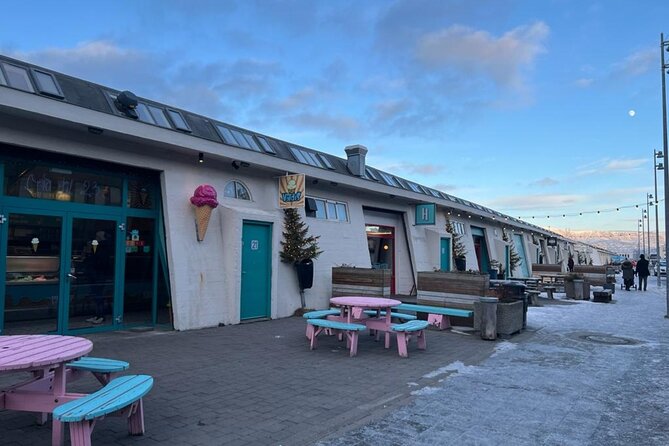
Next up is Aurora Reykjavik, the Northern Lights Center, with another 30 minutes on the schedule and free admission as listed. This stop adds a different flavor to the itinerary, because it’s not directly a food or fish lesson. It’s about Iceland as a lived experience, including how people interpret natural phenomena and turn them into culture.
Even if you’re not there for aurora spotting, this kind of stop helps you understand why Iceland has a strong relationship with the sky, weather, and seasonal rhythm. That matters for food, because seasonal availability and preservation traditions shape what’s served, when it’s served, and how comfortable people are with changes in routine.
During this portion, you’ll also stop at 1 to 2 local eateries. That’s the key pattern: museums or cultural points of interest, then tastings nearby. It keeps your attention from drifting.
If you’re hoping for a tour that focuses only on history and never touches modern life, you may find this stop a useful reminder that Iceland’s identity is both old and current.
Stop 3: Reykjavik Maritime Museum, where fish becomes more than dinner
Now you get the part that ties everything together: the Reykjavik Maritime Museum stop. Fish is described as a staple of the Icelandic diet, and this segment focuses on fishing’s significance from settlement onward.
You’ll have about 30 minutes at the Maritime Museum, again with free admission listed, and in between you’ll continue with 1 to 2 local eateries in the area.
What I like about this structure is that it turns food into cause and effect. You taste, then you hear why fishing mattered. Later, when you taste again, the story starts to stick. The tour isn’t treating food as random samples; it’s using the port story to explain why those samples make sense.
One practical thing: if you’re the kind of person who reads menus and wants to interpret the names and ingredients, this stop is especially helpful. It gives you the “why” behind fish-forward meals.
Stop 4: Iceland Ocean Cluster and today’s fish topics in plain talk
The last stop is the Iceland Ocean Cluster, another 30 minutes with free admission listed. This is where the tour moves from roots to present-day questions, including sustainability, fish farms, and whaling.
This segment matters because Icelandic food today is not only about tradition. It’s also about decisions being made now, around farming practices, environmental impact, and how industries manage change. You don’t need to be an expert to follow it. The point is to connect what’s on plates to what’s debated in the industry.
Between tastings, you’ll talk about these hot topics. That can add a slightly more serious tone by the end, but it also helps the tour feel like it’s telling a real story, not only selling snacks.
If you’re hoping for a light, silly food crawl with zero industry talk, this last stop might be more thoughtful than you expected. But the advantage is that the food tastes become easier to understand, because you’ve heard the modern context.
What you’ll taste, and how this tour handles old Iceland food myths
The tour is designed as an Icelandic cuisine sampling walk, with at least six different restaurants or street food vendors. That means you should expect multiple servings, not just one or two bites per stop.
One detail I really appreciate from guide-led tours is how they choose the balance between classic and modern. Here, the experience is described as less about historical Icelandic foods like fermented shark, and more about how Icelandic food has evolved. That tends to make the tour feel more relevant, especially if you’re not trying to prove you can stomach the most extreme tourist items.
So if you want a tour that gives you variety without forcing you into the most notorious old-school Iceland foods, this one likely fits your style.
Also, because the format is tasting-based, you can usually try a wider range of flavors without committing to a full meal at each stop. That’s great for people who don’t want to spend an entire afternoon eating heavy courses.
The best part: the guide energy that turns facts into something you remember
The most praised element is the guide experience. In the strongest versions of this tour, guides bring real excitement about Iceland and about the eateries themselves. Sabrina is specifically mentioned as a standout, with enthusiasm and strong sharing of knowledge that makes the walking route feel alive.
What that does for you as a traveler is simple. You don’t just get information. You get a sense of what Icelanders care about and how they talk about food, the sea, and daily life. That’s why the tour comes off as more than a checklist of tastings.
It’s also described as fun, full of facts, and accessible for most travelers. That’s an important combination. You want food and you want the “why,” but you don’t want it to feel like a lecture.
Walking pace and weather reality in Reykjavik
Reykjavik weather is not something you can politely negotiate with. This tour requires good weather. That means if it’s rainy or stormy, the experience might be canceled due to conditions, and you may be offered another date or a full refund.
The good news is that the tour doesn’t sound like a grind. One review notes the walking is not too heavy. It’s structured around short museum stops and frequent food pauses, so you’re not doing long stretches without a reason to stop.
Still, dress for being outside. Bring a warm layer, waterproof outerwear, and shoes you trust on slick sidewalks. Icelandic food tours are a great idea, but they only feel comfortable if your clothes keep up with the weather.
Who this tour is for, and who should consider other options
This is a strong match if you want:
- a small-group Reykjavik experience
- a food tour that explains why Icelandic eating looks the way it does
- a mix of tasting and short museum context
- a modern-leaning food approach, not only shock-history foods
It may be less ideal if:
- you only want food with zero cultural or maritime context
- you’re traveling on days when you cannot handle possible weather-related changes
- you want a late-night, nightlife-focused food crawl
If you’re in Reykjavik for a first pass and want to understand Old Harbor quickly, this tour works like a shortcut. You’ll leave with a clearer sense of what to order later on your own.
Should you book the Reykjavik Old Harbor Food Tour?
I’d book it if you care about eating in context. The combination of six-plus tasting stops, free museum-style visits, and a guided story about fishing’s past and today’s ocean issues is a lot for roughly three hours. The small group size helps it feel personal, and the guide energy is the kind of factor that turns a food tour into a memorable afternoon.
I would pause if your plans are extremely weather-dependent or you dislike walking outside for any reason. Also, if you want a strictly modern food-only sampler with no museum stops, this itinerary might feel a bit structured.
If you like the idea of learning just enough culture to make your meal choices better, this is the kind of tour that pays you back during the rest of your Reykjavik stay.
FAQ
How long is the Reykjavik Old Harbor walking food tour?
It’s about 3 hours.
What is the meeting point and where does the tour end?
You start at Seljavegur 2, 101 Reykjavík, Iceland, and the tour ends at Grandagarður 21, 101 Reykjavík, Iceland. It also notes the finish is a 3-minute walk from where you started.
How big is the group?
The experience is an intimate small group with a maximum of 8 people.
How many places will we eat at during the tour?
The tour includes sampling across at least six different restaurants or street food vendors.
Is the tour private for my group?
Yes. It’s listed as a private tour or activity, with only your group participating.
What happens if the weather is bad or plans change?
The tour requires good weather. If it’s canceled due to poor weather, you’ll be offered a different date or a full refund. You can also cancel for free up to 24 hours in advance for a full refund.
More Tours in Reykjavik






More Tour Reviews in Reykjavik
Eat and Drink Your Way Round Reykjavik




Fresh off the road around Reykjavik


Reykjavik Food & Drink Tours, compared.
 ★ 5.0Reykjavik Food Walk – Local Foodie Adventure in IcelandFrom $14618,952 reviews
 ★ 4.9Guided Foodie Walking Tour with 6 TastingsFrom $1421,645 reviews
 ★ 4.7Icelandic Food TourFrom $148407 reviews
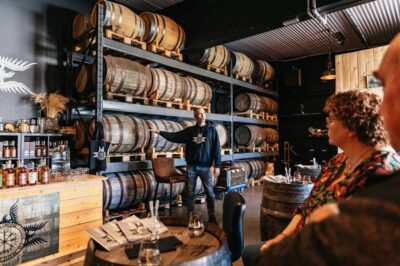 ★ 4.9Eimverk Distillery Guided Tour with TastingFrom $48352 reviews
 ★ 5.0Reykjavik Beer & Booze TourFrom $131166 reviews
 ★ 4.9Beer and Booze TourFrom $11252 reviews
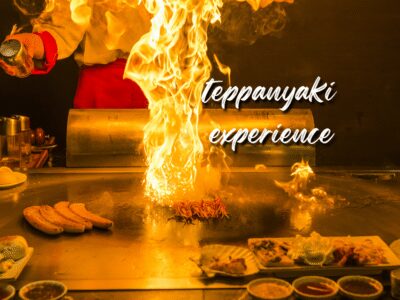 ★ 4.17-Course Teppanyaki Tasting Menu with Fire ShowFrom $12050 reviews
 ★ 5.0Weekend Reykjavik Food Tour with a stop at the Reykjavik Flea MarketFrom $15147 reviews
Browse the lists this tour appears in