
Hot water and fresh lava, all in one day. On this Reykjanes Peninsula tour, I like how the live English guide connects the geology to real people, especially in Grindavík and its quake and lava scars, and you get hot springs up close.
One thing to plan for: you’ll be outdoors for a good chunk of the day, and it runs rain or shine, with no food or drink provided.
Key takeaways
- A volcano tour that can change on the fly: the route is designed to adapt if conditions allow an active eruption viewpoint.
- Expert local guidance in English: guides like Einar, James, and Stefano tend to keep the geology clear and practical.
- Grindavík’s human scale: devastation and recovery make the science feel real, not abstract.
- Geothermal stops plus big sightline moments: you see hot springs and Kleifarvatn, then keep moving to classic Reykjanes viewpoints.
- Moody moss on old lava: you get that odd, soft-looking texture where moss grows over ancient rock, right beside harsh terrain.
Closer to the magma, compared
- Reykjavik: LAVA SHOW – Immersive Experience Entry Ticket★ 4.8 · 3,360 reviews
- Lava Show Reykjavik Admission Ticket – Optional Premium Upgrade★ 5.0 · 3,278 reviews
- Golden Circle with Kerid Volcanic Crater Day Tour from Reykjavik★ 4.5 · 2,826 reviews
Reykjanes Peninsula in Plain Terms: Why This Day Feels Different
Reykjavík gets most of the Iceland attention, but Reykjanes Peninsula is where you can feel the planet working. This is one of the most geologically active parts of Iceland, with constant reminders that the ground is not fixed, even when the day looks calm.
What makes this tour stand out for me is the way it mixes three viewpoints: steam and heat (hot springs), raw rock (lava fields), and the impact on communities (Grindavík). You’re not just checking boxes. You’re watching how one system creates both beauty and disruption.
And yes, there is still a bit of Iceland-style uncertainty baked in. The area stays active, and even if no lava is flowing right now, an eruption could restart. The company builds the day around that reality.
Hotel Pickup to Grindavík: Seeing the Volcano Through People
You start with hotel pickup and drop-off, so you’re not stuck figuring out how to get out to the peninsula on your own. From there, the tour’s first big emotional stop is Grindavík, a town that has been hit by devastating earthquakes and lava-related damage.
This is where the tour earns its seriousness. You’ll see the kind of damage that happens when nature changes roads and homes fast, and you’ll learn how residents were forced to evacuate. I find that it shifts your mindset from sightseeing to understanding. The geology stops being a set of cool facts and becomes cause-and-effect.
Grindavík also gives you perspective on why Iceland keeps investing in monitoring and why locals talk about volcanic risk like it’s part of weather planning. You don’t need fear. You need context.
If you hate heavy topics during a trip, plan for a breather afterward. The day is still focused on outdoor nature stops, but Grindavík is the anchor.
Geothermal Hot Springs and Kleifarvatn: Steam, Water, and Contrasts
After the human story, the tour turns toward the showy side of the peninsula: geothermal areas with numerous hot springs. Hot springs in Iceland are not just steam for photos. They’re proof of how heat travels through the crust and finds paths to the surface.
You’ll also get time with Kleifarvatn, a scenic lake stop. This helps balance the day. The hot springs feel loud in your senses, and then the lake gives you a calmer visual reset. It’s the kind of contrast Iceland does well: power and quiet in the same region.
Bring your eyes, not just your phone. Look at the ground around the springs, notice where water and steam rise, and watch how the terrain changes in small steps. That’s what makes Reykjanes fascinating, and your guide will help you connect what you see to the bigger geology.
Drawback to consider here: if visibility is poor in rainy weather, the steam and lake can turn into a gray blur. Still, you’ll likely get the value from being in the geothermal area itself.
Oldest Lighthouse, Bridge Between Continents, and Moss on Ancient Lava
The tour mixes iconic Reykjanes landmarks with a couple of quieter, more atmospheric stops.
One highlight is the oldest lighthouse in the area. Even if you’re not the type who collects lighthouse photos, this stop helps you understand how people used the coastline historically. It’s a small pause that adds human-scale geography to the volcanic action.
Then you’ll cross the bridge between continents, one of those rare places where Iceland makes plate tectonics feel real. It’s not just a fun stop. It turns the abstract idea of boundaries and shifting ground into something you can stand near and look at. If you like science that you can touch, this part clicks.
Next comes the ancient lava fields covered in soft moss. This is one of my favorite kinds of Iceland contrast: harsh rock beneath, gentle growth on top. The moss makes the volcanic terrain look surprisingly alive, even in a place where the ground is still changing.
A note on timing: these are often photo stops. If you’re traveling with someone who hates standing around in cold air, be ready to keep your motivation up with fast snacks and quick picture rounds.
More warm water to sink into


If an Eruption Happens: How the Tour Adapts to What Nature Is Doing
This tour is built around the idea that Reykjanes is active. The wording may sound dramatic, but the practical takeaway is simple: if conditions allow and certain areas close, the itinerary can adjust to keep you at the best possible viewpoint.
That means your day has a built-in flexibility plan. If an eruption starts or conditions change, you may shift your exact stops and viewing points. The goal stays the same, watch the activity from where it’s safest and most feasible.
For you, this has two real implications:
- You should treat plans as possible, not guaranteed. In active volcanic regions, safety and access can trump anything scheduled.
- You’ll want to stay patient if the guide needs to reroute. A good guide helps you keep the day meaningful even when the scenery shifts.
I also like that the tour doesn’t pretend danger equals entertainment. The focus is always on the best viewpoints that are realistic under the conditions.
Price and 7-Hour Value: What You Pay For (and What to Bring)
At $110 per person for a 7-hour tour, the value mostly comes from access and guidance. You get hotel pickup and drop-off, plus an English live guide, and WiFi onboard. That combination saves you time and mental effort.
The included transportation matters because Reykjanes is spread out. If you tried to stitch it together alone, you’d likely spend more energy on driving, timing, and finding the right spots in shifting weather.
What’s not included is food and drink, so you should plan a snack strategy. Even if you don’t eat much, carry water and something salty. Rainy days and cold wind can make you feel fine until you suddenly feel shaky. A small snack prevents that.
Also note the tour takes place rain or shine. This is Iceland. Pack like you expect wind. Layers beat one big coat, and good grip shoes help on slick surfaces near geothermal areas and viewpoints.
If you’re thinking about it purely as a sightseeing outing, it can feel like a long day. If you want geology with context and a guide who can explain what you’re seeing, the hours feel worth it.
Guides Matter Here: Why Einar, James, and Stefano Set the Tone
One of the most consistent strengths from this experience is the guide. In past groups, guides like Einar, James, and Stefano have stood out for explaining what’s happening without turning it into a textbook.
I like that you get both big picture and specific insight. The day’s places are tied together: hot springs connect to heat flow, lava fields connect to past eruptions, and Grindavík connects science to consequences. When the guide does that well, you leave with a clear mental map.
A practical tip: ask questions when you’re standing still. The best moment is often right at a viewpoint or near a geothermal area, while the guide can point to what you’re looking at. If you wait until you’re back in transit, you might miss the chance to connect the explanation to the scene.
Who This Tour Suits Best (and Who Should Skip It)
This is a great fit if you want a day that feels active but not exhausting in the hiking sense. You’ll spend time at multiple Reykjanes locations, including hot springs, a lake stop, and major viewpoints, plus the important stop in Grindavík.
It also suits you if you like learning from local experts. The guide format is built around connecting geology to what you’re seeing, and several guides have impressed visitors with clear, useful explanations.
Two considerations:
- It’s not suitable for wheelchair users, so if mobility is a concern, you’ll need to look for a different option.
- Because it runs rain or shine, it’s best for travelers who can handle cold wind, wet air, and changing visibility.
If you want a relaxed, mostly indoor day, this probably won’t match your style. If you want the science and the human story side by side, it’s a strong match.
Should You Book This Reykjanes Volcano Tour?
I’d book this tour if you want your Reykjavík area day to go beyond “more waterfalls and more photos.” You’ll get volcanic geology up close, a meaningful stop in Grindavík, and classic Reykjanes landmarks like the oldest lighthouse and the bridge between continents.
It’s also a smart choice if you value expert explanations. The guide-led approach turns scattered sightseeing into a connected story.
Skip it if you:
- need a food-included day (since food and drink are not included),
- hate outdoor time in wet or windy conditions (it’s rain or shine),
- or need wheelchair-friendly access (this one is not suitable for that).
If your trip schedule can handle a bit of Iceland uncertainty, this tour is one of the better ways to understand why Reykjanes is both breathtaking and, at times, dangerous.
FAQ
How long is the tour?
The tour duration is 7 hours.
Does the tour include hotel pickup and drop-off?
Yes. Hotel pickup and drop-off are included.
Is WiFi available on the tour?
Yes. WiFi onboard is included.
Is food or drink included?
No. Food and drink are not included.
Is the tour offered in English?
Yes. The tour includes a live English guide.
Is the tour canceled if the weather is bad?
No. This tour runs rain or shine.
Is the tour refundable if plans change?
You can cancel up to 24 hours in advance for a full refund.
Is this tour suitable for wheelchair users?
No. It is not suitable for wheelchair users.
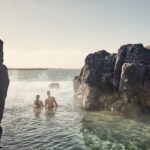
More Geothermal Soaks

More Tour Reviews in Reykjavik

Closer to the Volcanoes




Fresh off the road around Reykjavik


Volcano & Lava Tours, compared.
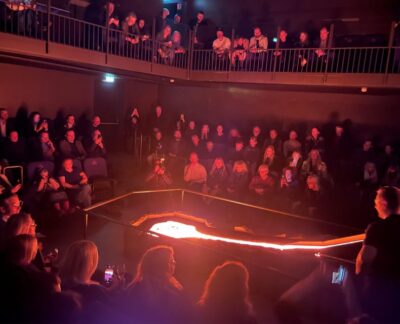 ★ 4.8LAVA SHOW – Immersive Experience Entry TicketFrom $543,360 reviews
 ★ 5.0Lava Show Reykjavik Admission Ticket – Optional Premium UpgradeFrom $543,278 reviews
 ★ 4.5Golden Circle with Kerid Volcanic Crater Day Tour from ReykjavikFrom $852,826 reviews
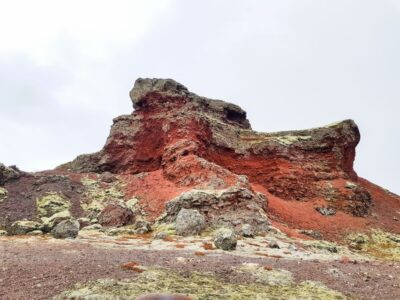 ★ 4.8Red Lava Horse Riding TourFrom $1422,383 reviews
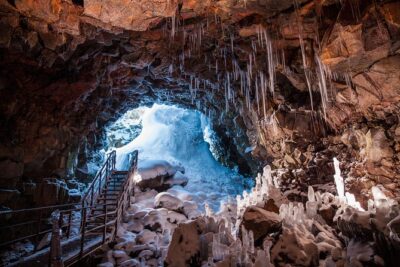 ★ 5.0The Lava Tunnel Tour – RaufarhólshellirFrom $742,373 reviews
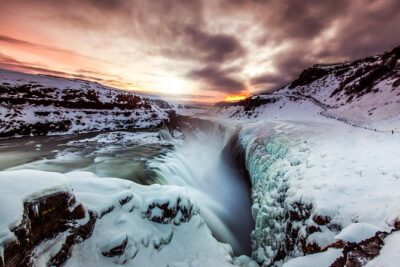 ★ 5.0Golden Circle, Volcano Crater and Blue Lagoon Small-Group TourFrom $2531,932 reviews
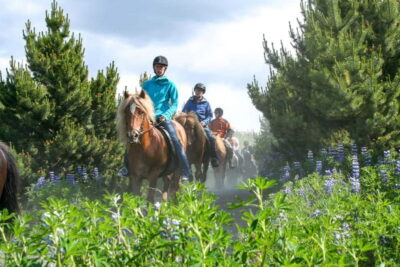 ★ 4.7Icelandic Horse Riding Tour in Lava FieldsFrom $1411,356 reviews
 ★ 4.7Snæfellsnes Day Trip with Vatnshellir Lava CaveFrom $2191,108 reviews
Browse the lists this tour appears in