
Reviewed · ICE CAVE & GLACIER HIKE TOURS
Skaftafell: Small-Group Vatnajökull Glacier Hike (Moderate)
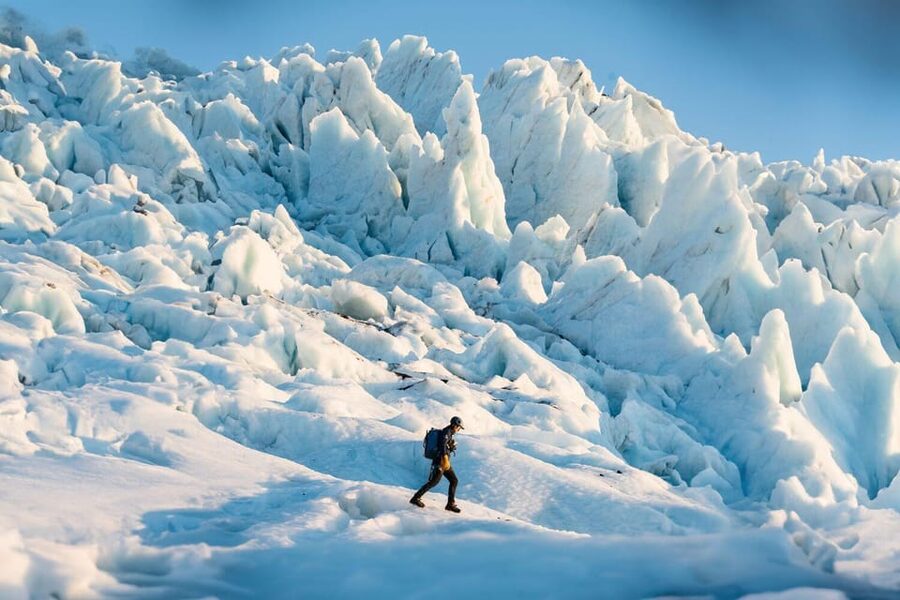
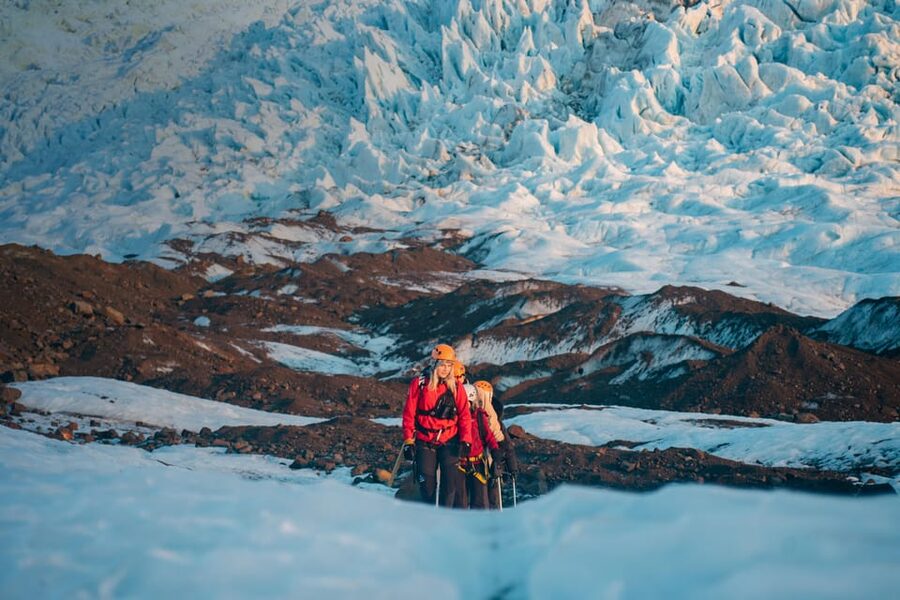
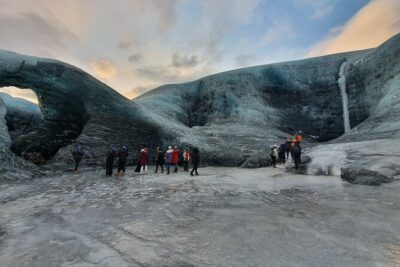
You walk on Europe’s largest ice. This small-group Vatnajökull hike is built around the Falljökull icefall, where the glacier looks more sculpted than frozen.
I really like that the certified glacier guide focus is practical, not just scenic. You spend real time moving on the ice, learning what you are seeing, and getting plenty of photo opportunities. The one thing to watch is the physical demand, plus strict rules on footwear and crampon sizes.
Plan for a long, cool day, even if the tour is listed at 5 hours. You are required to wear sturdy ankle-support boots, and if your shoe size falls outside crampon availability (35 to 50 EU), you cannot join.
Key things that make this glacier hike worth your time
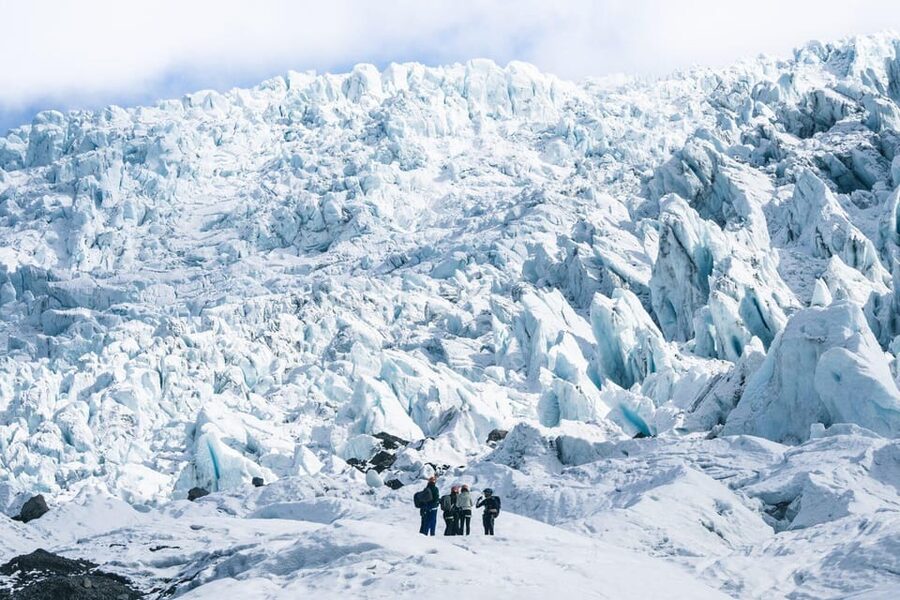
- Falljökull icefall focus: You are not just getting a quick peek, you are hiking toward one of Iceland’s most dramatic ice features.
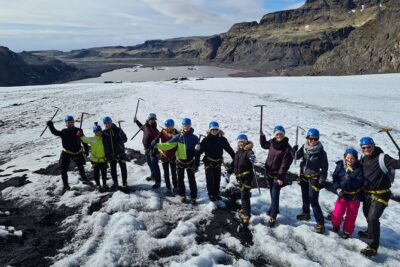
- Real glacier gear included: helmet, harness, glacier crampons, and a walking ice axe, with fitting and safety checks.
- Small-group pacing: you get time to learn routes, practice steps on uneven ice, and ask questions.
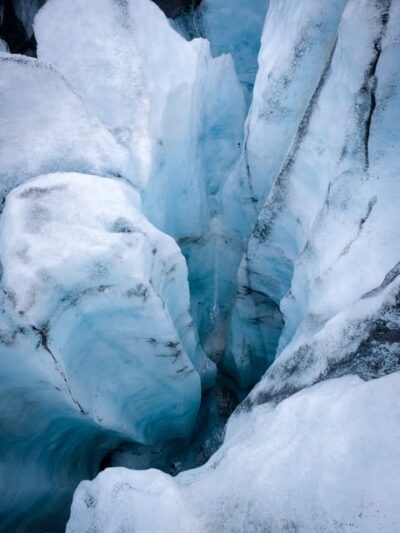
- Big photo payoff: jagged ice formations, shimmering textures, and multiple viewpoints along the way.
- Glacier science in everyday terms: you will hear how ice shapes itself over time, including concepts like moraines.
- Routes that adapt to conditions: your guide may set lines or crossings when meltwater and terrain make it necessary.
More blue ice: other glacier hikes and caves
- Reykjavik: Glacier Hike, Waterfalls and Black Sand Beach★ 4.8 · 1,285 reviews
- Reykjavik: Katla Ice Cave & South Coast Waterfalls Tour★ 4.7 · 1,090 reviews
- From Reykjavik: Glacier Hike, South Coast and Waterfalls Day Trip★ 5.0 · 915 reviews
Vatnajökull and Falljökull in one hike, the point of doing the moderate option
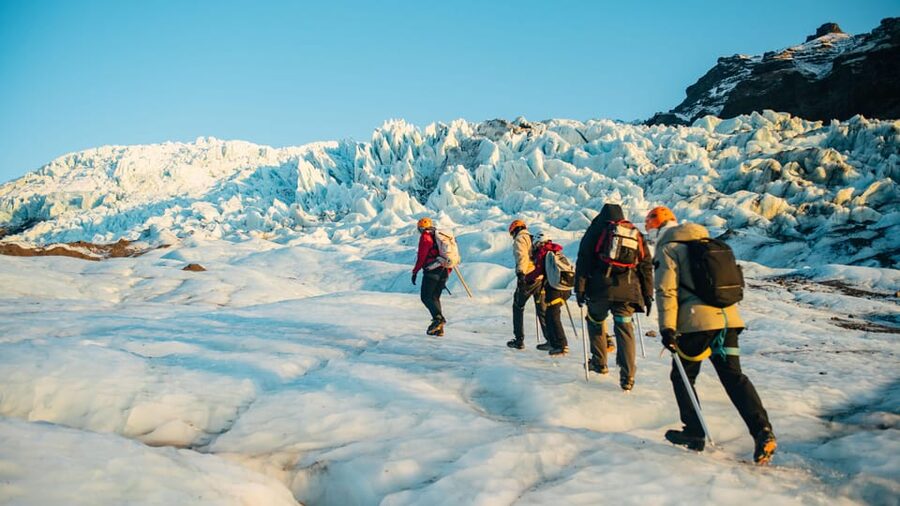
Vatnajökull is Europe’s largest glacier, and this hike is designed to help you feel what that means. The route leans moderate, which is perfect if you want more than a short scenic walk, but you do not want the intensity of a technical expedition. The key payoff is the approach to Falljökull’s icefall, a named, towering stretch where the glacier fractures, collapses, and reforms. From a distance it looks unreal. Up close, it looks like weather made of stone and glass.
I like that the experience is about movement and understanding at the same time. You do not just stand on ice for photos. You walk through glacial terrain shaped over centuries by ice and volcanic forces, then you learn how to travel safely once you are on the glacier itself. That blend is why this hike tends to hit as a highlight, not a checkbox.
One more reason I think the moderate tier is smart: it creates space for education and route choices. On ice, you learn by doing. If the hike were too easy, there would be less time to get comfortable with crampons and different surfaces.
Meeting in Skaftafell, then the 4×4 ride to the glacier start
You meet at the Arctic Adventures booking hut in Skaftafell National Park. The day starts with logistics that actually matter: gear fitting and a safety mindset come before you hit the ice.
From there, you take a 4×4 bus ride to the foot of the glacier, about 20 minutes. That short transfer is helpful because it keeps the hiking time focused on the glacier, not on getting to it. It also means you arrive with enough energy to do the steps that feel awkward at first, like walking on uneven, icy ground while wearing crampons.
Plan mentally for the fact that timing can shift. The tour information notes that timing may vary by season and conditions. In practice, that usually shows up as how quickly you get geared up, and how much time your guide needs for safe route building.
The gear fitting part that keeps the hike from feeling scary
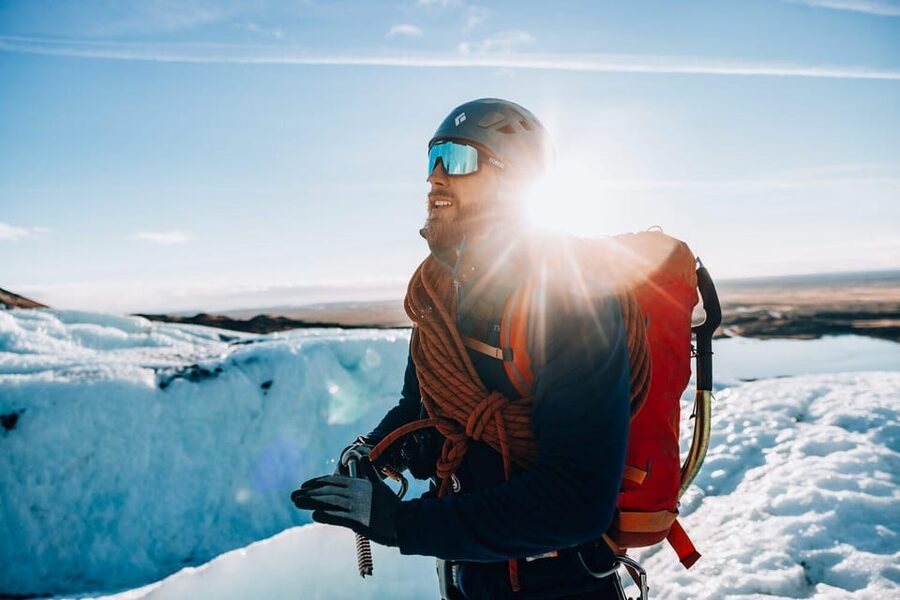
The best glacier hikes make safety feel normal. This one does that by giving you everything you need and going through it carefully. Included gear is helmet, walking ice axe, harness, and glacier crampons.
A few practical notes that you should not ignore:
- Your boots matter. You need sturdy hiking boots with ankle support.
- Glacier crampons are only available for shoe sizes 35 to 50 EU.
- Minimum age is 14, and minimum shoe size is 35 EU.
In recent groups, guides such as Kristian, Ola, and Lucy are known for being calm and hands-on with fitting and technique. You can expect that your guide will show you how to put on the crampons properly, then how to use your weight and steps to stay stable. The walking ice axe also gets explained so it is not just a prop.
Also, remember this is a glacier. You can be physically capable and still feel unsure at first. That is normal. The gear and briefing are there to turn that first-time fear into controlled movement.
The first hours on Vatnajökull: what moderate hiking really means on ice
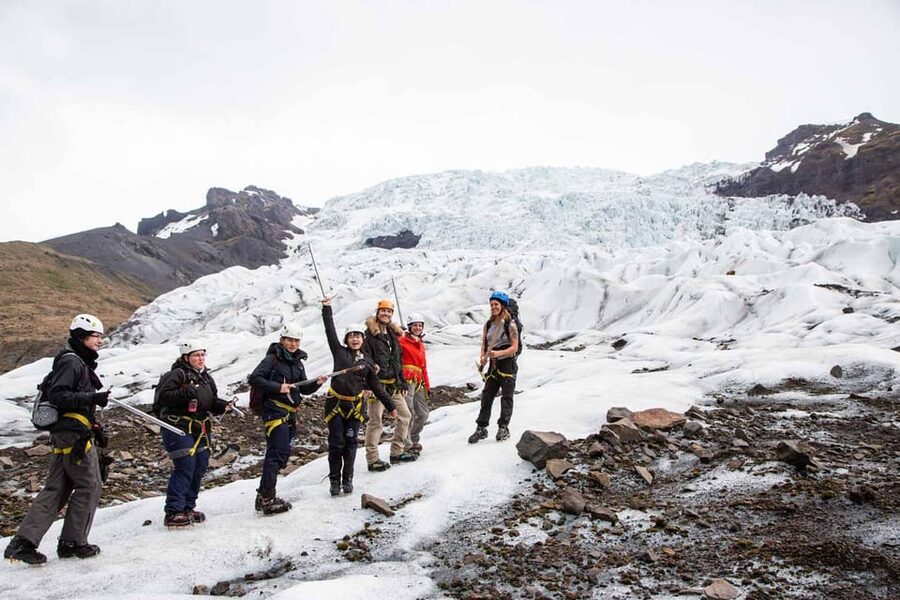
Once you reach the glacier tongue, the hike becomes a mix of walking, cautious movement, and short bursts of effort. You start by ascending toward the icefall, but the glacier itself provides the challenge. The surfaces are uneven, slippery, and sometimes braided with glacial streams.
You do not need prior ice climbing. This is a hike with rope support if conditions require it. Many groups are routed over meanders and around small obstacles, with guides building or marking safer paths when meltwater and weather change the ice.
From a fitness standpoint, moderate here means:
- You should be comfortable hiking on uneven ground for hours
- You should be ready for cold hands and colder footing once you are on ice
- You will likely spend time learning foot placement, not just walking fast
If you are a regular hiker, you will probably find the pace manageable. If you are newer to hiking boots or uneven footing, give yourself extra time to adapt.
More trails worth the boots
The Falljökull icefall section, where the photos and the learning happen
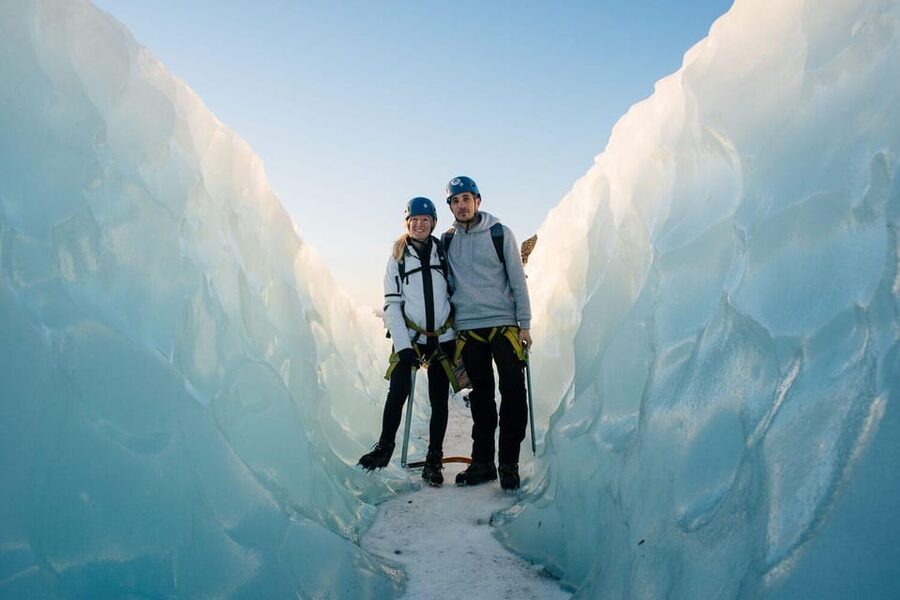
The icefall of Falljökull is the star feature, and your route is built to get you up close. This is where the glacier shows its motion and stress, with jagged edges, fractured blocks, and sharp textures you cannot recreate anywhere else.
On icefall hikes, the photos are only part of why it is worth it. The other part is what the guide can point out while you are there. You will hear how glaciers form and keep reshaping their surfaces. You may also get extra stops for viewpoints, where the guide chooses a safe spot that still gives you a clear view of ice structures.
Guides like Josh and Sara are known for finding good photo moments and keeping the group moving without rushing. You do not want to sprint on crampons. You want to pause, look, then step again with confidence.
Glacier science, explained in the real language of ice

I love the way this hike turns science into something you can feel under your feet. The glacier is not a static object. It is a moving system, constantly reshaping itself.
In recent departures, guides have talked about how glacier features connect to broader patterns. One group highlighted concepts like Milankovitch cycles and moraines, which helped connect what people see on the ice to why glaciers change over time. Even if you do not remember every term, the idea lands: ice is always working.
You will also learn about how meltwater and ice fractures create pathways and obstacles. That matters because it explains why your guide sometimes changes direction, adds safety lines, or chooses one route over another.
This is one of the main values of doing a guided glacier hike instead of just walking to viewpoints. You leave with a sense of the glacier as a system, not just a pretty pile of ice.
Rope sections, safe crossings, and why guide skill shows up quietly
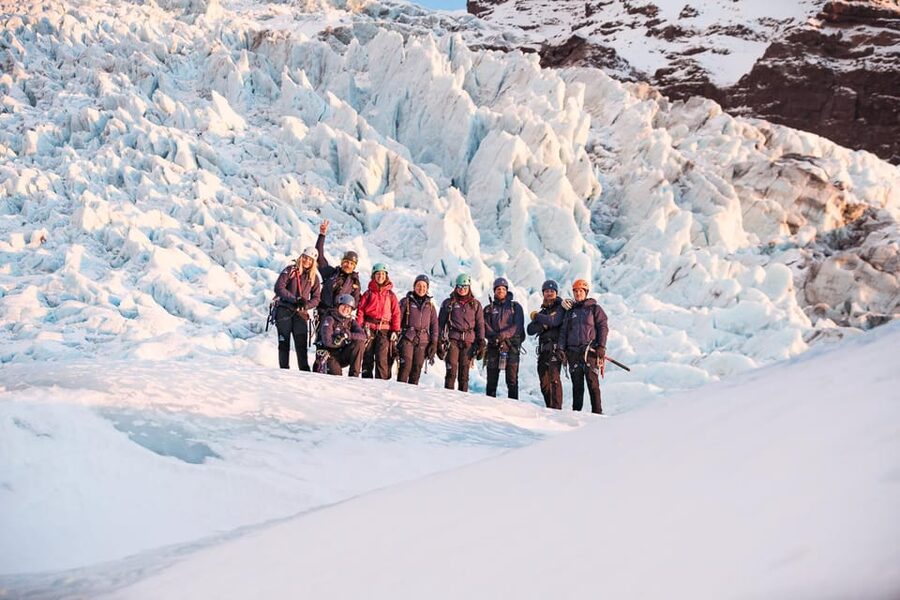
Even on a moderate hike, glacier travel demands correct technique. The guides set up ropes when routes get steep, narrow, or slippery. In some groups, rope sections become the difference between a stressful moment and a controlled one.
You might also experience engineered safety elements that help you cross meltwater or avoid softer ice. In some conditions, guides may create crossings such as step-like passages or bridge-style routes over glacial streams. These are not permanent structures, so you should expect them to be adjusted based on what the glacier is doing that day.
This is where the guide names matter. People have praised Kristian and Ola for safety-first guidance and building trust quickly. Others have credited Lucy and Maya with pacing the group, explaining what to do, and making sure everyone feels comfortable before moving into tougher sections.
And yes, crampons can feel odd at first. But guides tend to make it click fast, so you are walking with purpose instead of battling your own feet.
How long the day takes, plus what that means for planning snacks and breaks
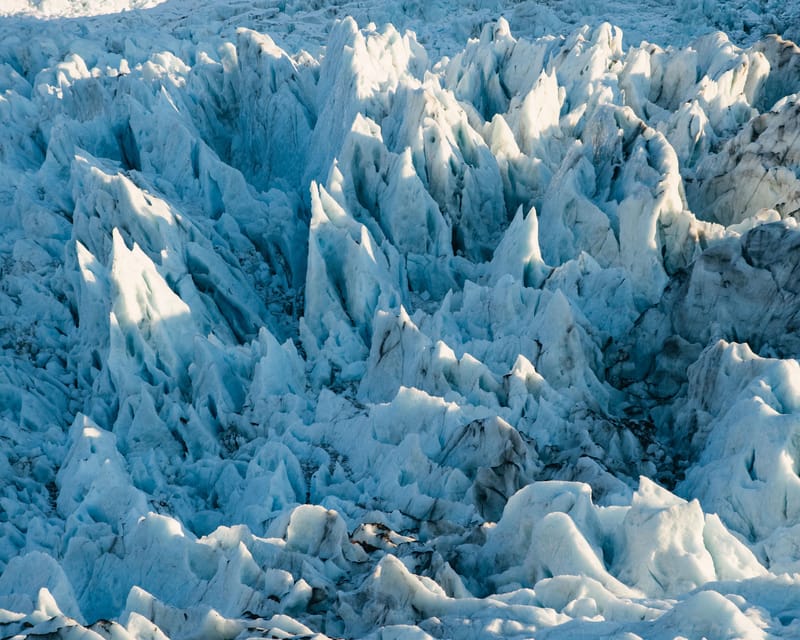
The tour duration is listed as 5 hours. But real time on the ground can run longer because you need:
- gearing up time
- a short bus ride
- equipment return and final check-out
Many groups describe something closer to a 7 to 7.5 hour total day when you include everything from meeting through returning to the hut. That lines up with the reality of glacier hikes: safety takes time, and ice routes sometimes require extra attention.
So my practical advice is simple. Do not overbook your day after this tour. Plan for a late dinner, and bring snacks when you need energy during the hike. Food and drinks are not included, so having a plan matters.
Also dress like you will be outside for longer than you think. Even in warmer months, glacier air can feel sharp.
What to wear and pack so the cold does not slow you down
The tour is strict about footwear, but it also gives you a chance to plan ahead. You must wear sturdy hiking boots with ankle support. If you do not have them, boots are available to rent.
Beyond boots, plan for the glacier to feel colder than you expect. You will likely want a warm layer system, plus a way to protect hands and ears. If you get to the ice and feel underdressed, you will spend the rest of the hike thinking about cold instead of icefall views.
A couple of extra, practical items that often help on glacier days:
- Bring snacks and water since they are not included
- Consider bringing a small daypack for extra layers you might remove when you warm up
- Keep hands free when your guide needs everyone moving as one group
And if you are thinking about wearing shoes larger than the crampon range, do not gamble. Crampons are only available for sizes 35 to 50 EU, and participation is not possible outside that range.
Who should book this moderate Falljökull hike, and who should skip it
This tour is not suitable for children under 14. The minimum age is 14, and minimum shoe size is 35 EU.
It also helps if you have at least moderate hiking stamina. The hike is longer and uses crampons over uneven ground, so it is not a stroll. If you are someone who enjoys technical-feeling walking, route finding, and guided safety, this fits well.
If you are only looking for an easy overview, a shorter option may feel less demanding. But if you want the experience to feel like you are actually exploring Vatnajökull, the moderate hike is the sweet spot.
Should you book this Skaftafell Falljökull glacier hike?
Book it if you want a guided walk on Vatnajökull that reaches the Falljökull icefall and teaches you what you are seeing, not just where to stand for photos. The included gear, the small-group setup, and the guide-led safety approach make it a strong choice for people who can hike and follow instructions.
Skip it if you cannot meet the footwear rules or crampon size range, or if you do not want a longer, colder day outside in glacier conditions. Also, if you get nervous on uneven terrain, take the training seriously when your guide shows you how to move.
If your goal is to feel close to the living ice and leave with better glacier intuition, this one is a solid pick.
FAQ
Where do I meet for the hike?
Meet at the Arctic Adventures booking hut in Skaftafell National Park.
How long is the experience?
The tour is listed as 5 hours. Starting times depend on availability.
What safety gear is included?
You get a certified glacier guide plus necessary safety gear: helmet, walking ice axe, harness, and glacier crampons.
Do I need my own hiking boots?
Yes. Sturdy hiking boots with ankle support are mandatory. Boots are available to rent.
What shoe sizes are required for participation?
The minimum shoe size is 35 EU, and glacier crampons are only available for shoe sizes 35 to 50 EU.
Is it suitable for children?
No. The minimum age is 14, and children under 14 are not suitable for this tour.
More Trails to Walk
More Tour Reviews in Reykjavik


More Ice Caves and Glacier Hikes
Fresh off the road around Reykjavik


Ice Cave & Glacier Hike Tours, compared.
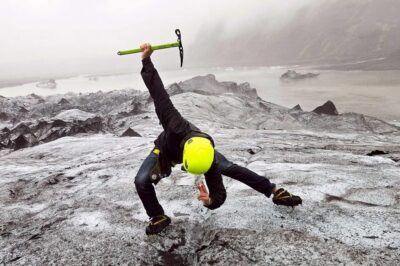 ★ 4.8Glacier Hike, Waterfalls and Black Sand BeachFrom $1861,285 reviews
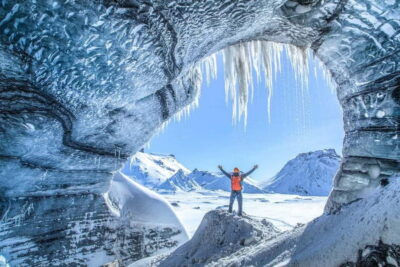 ★ 4.7Katla Ice Cave & South Coast Waterfalls TourFrom $2701,090 reviews
 ★ 5.0Glacier Hike, South Coast and Waterfalls Day Trip915 reviews
 ★ 5.0Glacier Hike and South Coast Small-Group Tour from ReykjavikFrom $205827 reviews
 ★ 5.03-Day Ice Cave, South Coast, Golden Circle and Northern LightsFrom $1,058634 reviews
 ★ 4.7South Coast and Katla Ice Cave Small Group TourFrom $234625 reviews
 ★ 4.9Iconic Glacier Hike, South Coast & WaterfallsFrom $195605 reviews
 ★ 5.02-Day Blue Ice Cave, Glacier Lagoon and South Coast – Small GroupFrom $689594 reviews
Browse the lists this tour appears in