

Reviewed · WHALE WATCHING
Whale Watching and Marine Life Tour in Reykjavik
Whales are easier than you think in Reykjavik. A 3-hour marine life tour from the Old Harbour area puts you out over Faxafloi Bay, where species like minke, humpback, dolphins, and even killer whales may show up just off the capital.
I especially like the hands-on wildlife spotting. When a marine expert such as Maria is on board, you get clear help on what to look for and how to track movements, not just vague talking. I also like the practical onboard Wi-Fi, which lets you upload and share your live photos while you are still out on the water.
One thing to consider: sightings are never guaranteed, and the search can mean a long, cold, and sometimes choppy ride. If you hate wind, bring layers and plan to spend time outside only when you feel up to it.
Key highlights worth planning around

- Wildlife isn’t promised, but you get a second chance: if you do not see wildlife, you are offered a ticket for another day.
- Onboard Wi-Fi for live photo uploads: useful when you want to share the moment while it is happening.
- Spotting help from the captain and guide team: watch patterns, timing, and where to look using guidance from the staff.
- Classic Reykjavik photo angles from the sea: you pass by landmarks and islands without needing to chase views on land.
- Good odds with the species list: minke, humpback, killer whales, white-beaked dolphins, and harbour porpoises are all on the radar.
- Smallish boat, big stretch of water: a maximum of 75 travelers, so it stays more social than mass-market.
Back out on the bay for more whales
- Reykjavík: Whale Watching and Marine Life Cruise★ 4.6 · 9,838 reviews
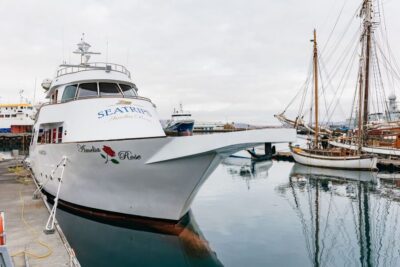
- Reykjavík: Whale Watching Cruise on the Amelia Rose Yacht★ 4.5 · 2,911 reviews
- The Original Classic Whale Watching from Reykjavik★ 4.5 · 2,626 reviews
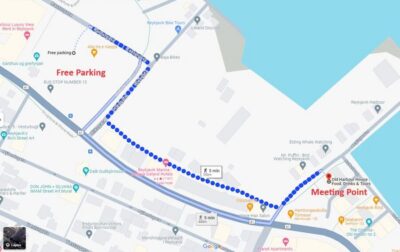
Meeting Point at Old Harbour House, Then Out Past Reykjavik’s Front Door
Most whale watching in Reykjavik works best when you start close to the action, and this one does. You meet at Old Harbour House in the Old Harbour area, and the tour ends back at the same spot. That means you avoid long bus transfers and you can line up dinner after, not just afterthought snacks.
From a traveler point of view, the location also helps because Reykjavik’s “cool factor” is right there. You are not just heading to a pier and waiting for the sea to do its thing. You are leaving from the city, and you come back to the city. It is a round-trip experience, not a half-day you regret.
Cruising Past Harpa and Into the Faxafloi Bay Zone

After you check in near the Old Harbour area, you head out toward the open stretch of water where Faxafloi Bay wildlife is most likely. One of the nice surprises is that you still get Reykjavik in your view while you cruise. You pass Harpa, the concert hall and conference center with its basalt-inspired glass facade. It is a great “I am really in Reykjavik” visual, even if you are mostly focused on spotting whales.
Then the tour shifts from city views to marine focus. Faxafloi Bay sits on the southern shore of the city, and the water is the point. From here you can see the peninsula of Akranes and, on a clear day, even Snæfellsjökull at a distance of about 120 km (75 mi). That distant landmark matters because it gives your brain a sense of scale while you watch for spouts and movement.
A quick reality check: when the sea is active and weather shifts, you may feel the “search time” more than you planned for. Some people found the trip back and forth felt longer, especially when sightings were limited. That does not mean the staff are being careless. It means you are doing real wildlife watching, not a theme-park schedule.
Faxafloi Bay Scenery and the Search for Whales
Here is what I think makes this area work: Faxafloi Bay is close to Reykjavik, but it is not tiny. You get access to the kind of water where ocean-going mammals can show up fairly near shore, often not far from the capital.
The tour’s standard promise is also realistic. All year long, you may see different marine mammals, including minke, humpback, and killer whales, plus white-beaked dolphins and harbour porpoises. In summer, the odds tend to improve, but there is always a chance of something.
I also like that the tour is designed around learning. The captain and onboard marine staff point out what you are seeing and how to interpret whale behavior. In practice, that can be the difference between feeling like you got lucky and feeling like you understood what happened. One common tip is using the captain’s directional guidance, including the kind of clock-style directions that help you track where the action was last seen.
Island Passes That Add Variety: Engey, Lundey, and Viðey

A whale watching trip becomes a better experience when the boat is doing more than just chasing spouts. Here, the route includes several island stops and passes that help break up the ride.
Engey is the second largest island of the Kollafjörður (Faxa Bay) fjord. Even if you are mainly hunting whales, Engey is a visual marker that helps your eyes stop wandering. It also gives you a sense of how sheltered this part of the coast can feel compared with open ocean.
Then you pass Lundey, literally Puffin Island. That name is not marketing fluff. Puffins are one of the birds people hope for, and sightings can happen depending on season and conditions. Even when puffins are only seen at a distance, the view from the water is still fun.
Finally, Viðey is the largest island in the Kollafjörður Bay near Reykjavik. It is another “anchor point” for your gaze while you are out searching. And when wildlife is slow, these island passes give your trip something to focus on besides waiting.
One note that matters: if you are expecting to see puffins every time, adjust your expectations. Some departures include plenty of birds and some feel quieter. The route improves your odds, but weather and animals decide the show.




Onboard Marine Learning: From Maria to the Captain’s Spotting Rhythm

This is one of the most praised parts of the experience, and for good reason. I like tours where the staff help you read the water. When you know what a spout timing means, or you understand whether a whale has simply surfaced or is about to go under, you spend less time guessing and more time watching.
You might hear from marine experts onboard, including Maria, who has stood out for being friendly and helpful with the kinds of details people ask for. You may also get guidance from the captain, and that matters because captains are the ones steering the boat into the best viewing area while keeping the search efficient.
Across different sightings, the common thread is patience. Some people reported the captain was deliberate about tracking and staying with whales at a good distance. That is what you want. If whales show up close, it is thrilling, but the best tours are the ones that balance excitement with respectful positioning.
Wildlife Encounters You Can Actually Plan For

Let’s talk about what you are most likely to see, and how it typically feels from the boat.
Depending on the day, you may spot:
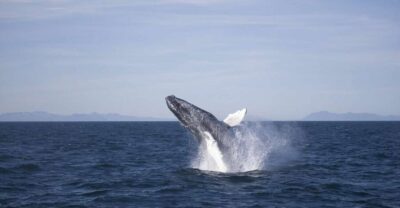
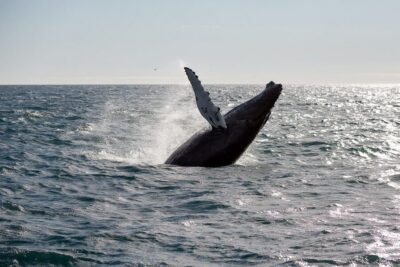
- Humpback whales, sometimes with repeat sightings as they surface in a rhythm.
- Minke whales, usually less dramatic than humpbacks, but still exciting when you see a clear spout and body shape.
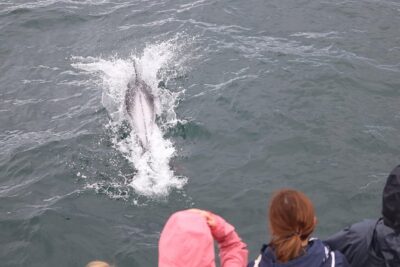
- Dolphins, including white-beaked dolphins, often active around the boat area.
- Harbour porpoises, which can be harder to see but rewarding when you catch movement.
- Less commonly, orcas and killer whales can appear when conditions line up.
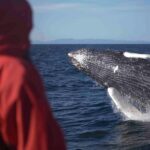
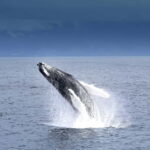
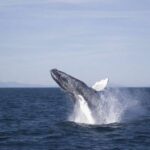
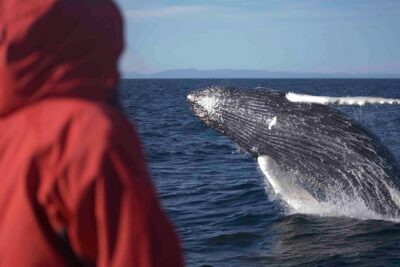
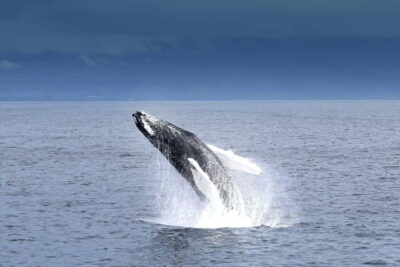
One of the most memorable parts for many visitors is closeness. Several people described humpbacks coming up remarkably near the boat, with some sightings that felt like you could almost read details on the surface. Others got a show after the boat finally found the right group, including long watching periods rather than a quick glimpse and run.
Also, keep an eye out for seals and sea birds. Those are not guaranteed, but they show up often enough that you will probably feel like the trip is alive even between whale surfacing moments.
Comfort, Timing, and What to Pack for Cold Water Watching

This is a 3-hour outing in changeable northern weather. I treat it like a winter sport. You will want to dress for wind, spray, and sitting still.
Here is what you should do:
- Wear warm layers and a hat you trust in gusts.
- Bring gloves if you get cold fast.
- Expect it to feel colder on the water than you think from shore.
People also noted that the boat setup helps because you can get out of the wind while staff talk. Still, you will spend time looking outside. So bring clothes you do not mind getting a bit damp.
Timing is another real factor. Some departures felt like the ride was long, especially when whales were scarce. The tour can also feel crowded out at sea if multiple boats are searching in the same window. That is not unique to this tour. It is just how whale watching works when the action is concentrated.
If you like to stay mentally busy, bring a book or cards. One person specifically suggested having something to do, because waiting for sightings can take time.
Group Size and the Social Feel on a Maximum 75 Travelers Boat

A maximum group size of 75 travelers keeps the tour from feeling like a giant crowd. You will still be shoulder to shoulder at check-in and in key areas of the boat, but the vibe tends to be more “everyone is spotting” and less “everyone is waiting.”
English-speaking staff are part of what makes it work. You will have a better chance of understanding directions, whale behavior, and what the captain is doing when announcements are clear.
Also, the onboard Wi-Fi feature changes the social rhythm. People do not just take a few photos and wait until they are home. If signal and setup allow, you can upload right away, which makes the experience feel more immediate in the moment.
Price and Value: Is 98 Dollars Worth It?
At $98 per person, you are paying for four things at once:
- Time on the water where whales may appear close to shore.
- Staff expertise, including marine explanation while you watch.
- A better-than-average chance because the tour focuses on the right bay and is year-round.
- A safety net, the second-day ticket if wildlife is not seen.
Whether it feels like a deal depends on your expectations. If you go in thinking you will definitely see humpbacks, you may leave disappointed. If you go in prepared for weather and a search, the price can feel fair because you are not just paying for transport. You are paying for the hunt and for the learning.
I also think the second-day ticket is the real value lever. It takes some of the fear out of booking. It does not guarantee whales, but it reduces the chance you waste your money on a quiet trip.
When This Tour Might Not Fit Your Style
This tour is built around being on the water where whales may appear and then staying with them once found. Most experiences described are positive, including reports that staff worked hard to track whales without upsetting them.
But if you are very sensitive to how close boats should get or how aggressive the search feels, you should know that at least one unhappy person described the behavior as disturbing and said the boat rushed toward whales. That kind of concern is rare, but it exists in the feedback you have available. If this topic matters to you, I would book only if you are comfortable with the reality of whale watching, where the goal is to observe while also needing to approach for viewing.
Also consider timing. If you go at the end of season, whales can be harder to find and the sea conditions can be tougher. That does not mean the staff are failing. It just means your personal odds drop a little.
Should You Book Whale Watching With Iceland Discover in Reykjavik?
If you want a classic Reykjavik experience that combines city views with real marine watching, I think this is a strong option. The best reasons to book are the onboard teaching, the chance of multiple species, and the second-day ticket if wildlife is scarce.
I would book it if:
- You dress warm and can handle being out for 3 hours.
- You like learning while you look.
- You care about doing something memorable in a limited time window.
I might skip or choose a different style if:
- You strongly dislike the idea of boats seeking and positioning near wildlife.
- You cannot tolerate cold wind and a sometimes choppy ride.
- You are traveling during a window where you expect very high certainty of specific sightings.
Overall, if you treat it as a guided wildlife search rather than a guaranteed whale encounter, you will likely leave feeling like you did the right thing with your Iceland time.
FAQ
How long is the whale watching and marine life tour?
It runs for about 3 hours.
How much does the tour cost?
The price is $98 per person.
Where do I meet for the tour?
You meet at Old Harbour House in Reykjavik (Ægisgarður 2, 101 Reykjavík, Iceland).
Is the tour offered in English?
Yes, it is offered in English.
What wildlife might I see?
You may see minke, humpback, or killer whales, plus white-beaked dolphins and harbour porpoises. Puffins, dolphins, seals, and sea birds have also been seen on some trips.
Is there onboard Wi-Fi?
Yes. There is onboard Wi-Fi for uploading live photos.
What happens if I do not see wildlife?
If you do not see wildlife, you receive a ticket for another day.
How big is the group?
The tour can have a maximum of 75 travelers.
What if the tour is canceled due to poor weather?
If it is canceled because of poor weather, you will be offered a different date or a full refund.
Can I cancel and get a refund?
Yes. You can cancel up to 24 hours in advance for a full refund.
More Whale Watching off Reykjavik


More Tours in Reykjavik



More Tour Reviews in Reykjavik

Fresh off the road around Reykjavik


Whale Watching, compared.
 ★ 4.6Whale Watching and Marine Life CruiseFrom $879,838 reviews
 ★ 4.5Whale Watching Cruise on the Amelia Rose YachtFrom $1072,911 reviews
 ★ 4.5The Original Classic Whale Watching from ReykjavikFrom $1052,626 reviews
 ★ 4.2Whale Watching Tour with Expert GuideFrom $902,307 reviews
 ★ 4.5the Original 3-Hour Whale Watching TourFrom $108908 reviews
 ★ 4.5Whale Watching Tour with Professional Guide from ReykjavikFrom $97744 reviews
 ★ 4.3Whale Watching TourFrom $103711 reviews
 ★ 4.5Whale Watching and Dolphin Watching Yacht CruiseFrom $106707 reviews
Browse the lists this tour appears in