
Reviewed · SILFRA SNORKELING TOURS
Dive the Divide: Silfra Fissure Scuba Tour | Reykjavik Pickup
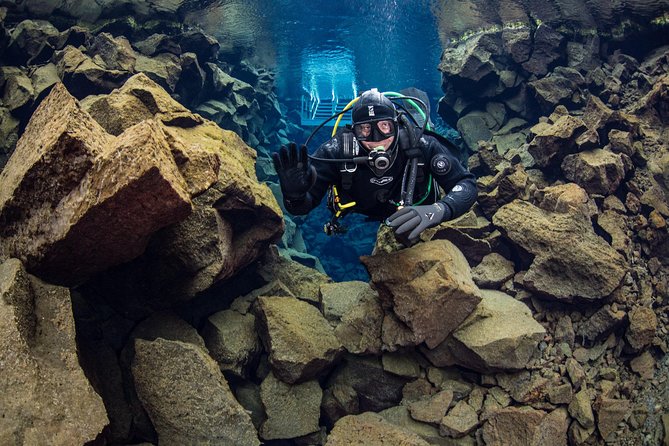
Silfra turns a geography lesson into a hands-on experience. You’ll travel from Reykjavik to Þingvellir and then get suited up for an underwater walk along a tectonic boundary with incredible visibility. My favorite part is the sense that you’re seeing something real, raw, and geologically specific, not a generic aquarium-style stop.
I also like the small-group setup and the hands-on attention you get with kit and entry. That said, the tour is not casual. It demands dry suit experience, and you’ll carry and manage heavier equipment plus a walk back from the exit ramp, which can feel like a slog in cold weather.
Key points to know before you go
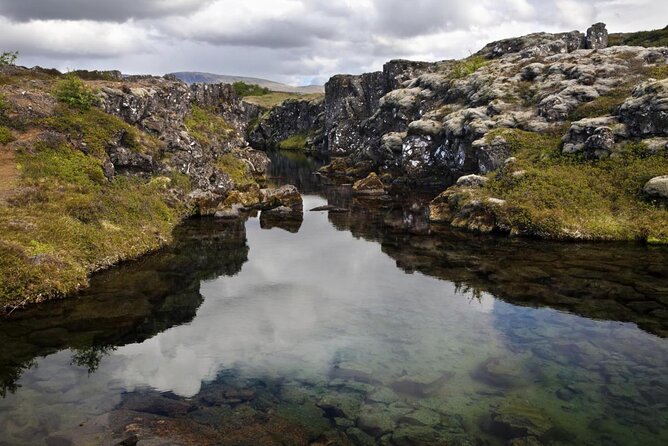
- Tectonic plates under your fins: Silfra sits between North America and Eurasia.
- Small group, max 3 travelers: more individual attention during gear fitting and in-water logistics.
- Dry suit requirement: you must show prior dry suit certification or proof of at least 10 dry suit sessions.
- Four connected underwater areas: Deep Crack, Hall, Cathedral, and Lagoon.
- Very cold water: expect water temps around 2 to 3°C based on recent on-site experiences.
- Plan for walking: a short walk to the ramp with gear, plus a return walk about 300 meters after exiting.
Between two continents: other Silfra dives
- Reykjavík: Silfra Fissure Snorkeling between Two Continents★ 4.7 · 1,712 reviews
- Silfra Drysuit Snorkeling with Free Photos – Meet on Location★ 5.0 · 1,299 reviews
- Silfra: Snorkeling Between Tectonic Plates Pick Up from Reykjavik★ 5.0 · 1,187 reviews
Why Silfra Feels More Like Science Than Sightseeing
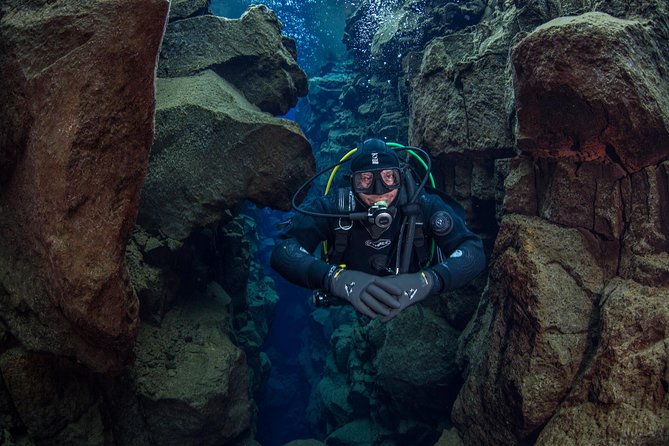
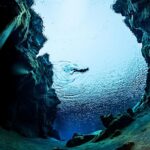
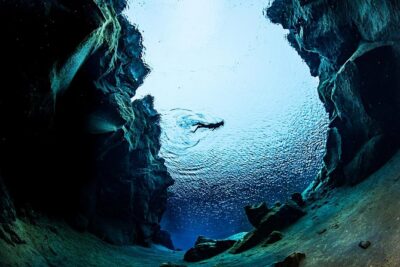
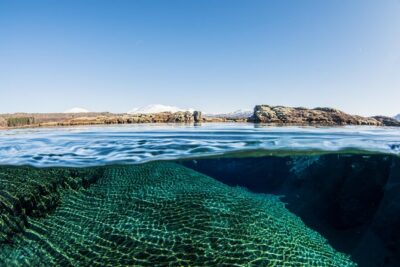
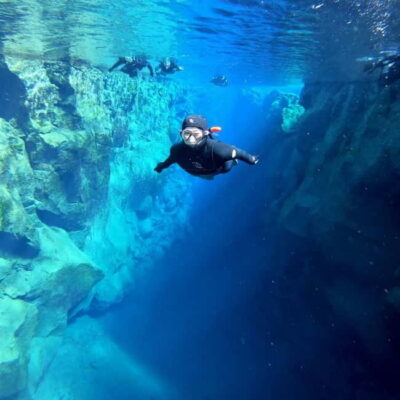
Silfra is one of those places where the map and the body both matter. You’re not just looking at pretty rock. You’re inside a glacial fissure where the water stays clear enough to see far, and where the fissure literally separates two tectonic plates. That gives the whole day a focused feeling, even when you’re surrounded by quiet white water and dark volcanic rock.
In my mind, the big win is the combination of crystal-clear conditions and a route that has landmarks you can picture. The Deep Crack is the narrow entry section. The Hall opens up. Then you move toward the Cathedral, which is listed as the deepest point of the route at about 22 meters. Finally, you finish in the Lagoon area. It helps you understand what you’re doing underwater, not just where you are.
The other thing you feel immediately is the cold. Dry suits help a lot, but your body still needs time to adjust. If you’ve only done temperate-water setups, you’ll want to treat this as a skill day, not a casual outing.
Reykjavik Pickup and the Drive to Thingvellir
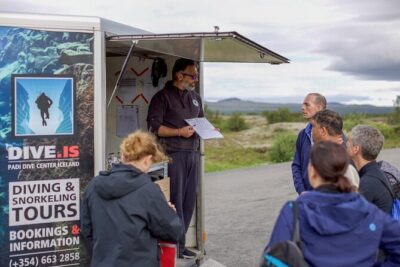
This tour starts with pickup from specific Reykjavik accommodations. They note the pickup process can take up to 30 minutes, so I’d build in breathing room rather than plan to be perfectly on the dot for every minute of the morning.
From Reykjavik, you’ll ride to Þingvellir National Park. The drive itself is part of why this works as a half-day-plus experience. You’re going from city logistics into a protected landscape with visible tectonic features, so the day transitions smoothly from “where is the boundary” to “how it looks and feels in person.”
You’ll also want to dress like you’re spending real time outside, because even the best weather can still come with wind and cold air. Think warm layers for the waiting and suit-up periods.
Þingvellir National Park Stop: More Than a Scenic Break
Your schedule includes a time block at Þingvellir, and the admission fee is included. This is a UNESCO World Heritage Site with a tight link between geology and Iceland’s early political history, including the Alþingi, founded in 930 AD.
Why that matters to your scuba day: it sets context. Before you go underwater, you’ll see the park’s plate-boundary setting and lava features above the surface. It makes the next step feel less random. When you later encounter the fissure and its dramatic shapes, you’ll understand the “why” behind the location.
Also, it’s not just history. Þingvellir is a place where you can spot tectonic clues in the open air, and that helps your brain lock onto the idea of a crack in the crust rather than a theme-park style entrance.
Dry Suit Reality: Gear Is Provided, But You Still Need Prep
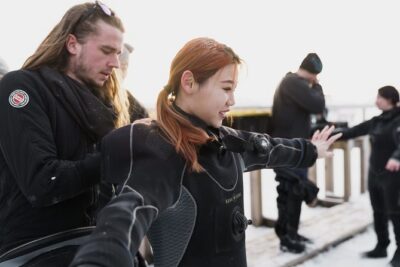
The tour supplies full equipment, including a thermal undersuit, dry suit, BCD, regulator, weights, tanks, hood and gloves, mask, and fins. On paper that’s huge. In practice, what matters is how you handle the fit and the weighting during the briefing and in the water.
You will be expected to bring your suit sizes when booking. If you guess wrong, you can lose warmth or mobility. Warmth is a big deal when you’re planning to be in water around 2 to 3°C based on recent experiences.
The equipment list includes everything you need to go, including the hood and gloves. Still, double-check how you’ll handle your face and eyesight. The tour info is very clear about mask fit: you cannot wear glasses underneath the mask because there can be nothing in the way of the seal. Bring contact lenses, or bring your own prescription goggles.
One more practical point that comes up in real-world dry suit conditions: buoyancy can feel different. Even if you’ve done underwater work before, your weighting might need adjustment in a dry suit. If you’ve never used a dry suit, this is not a first-timer environment.
Worth a look alongside this Reykjavik pick:


Cold Water, Safety Briefing, and the Experience Requirement
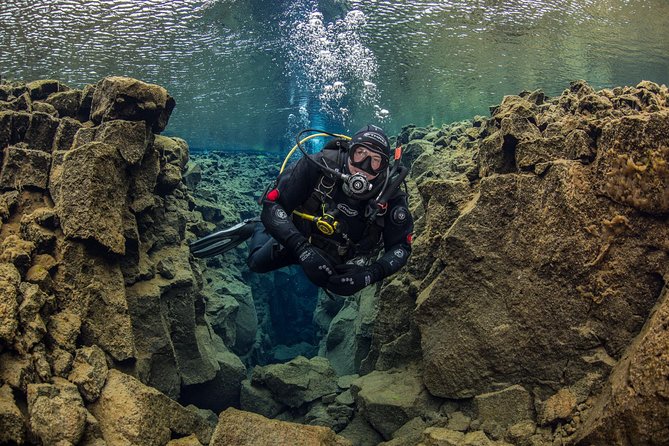
This is for divers with dry suit certification and prior dry suit experience. The operator specifically asks to see your dry suit certification card, or a logbook showing you completed at least 10 dry suit sessions. That requirement is there for a reason. Cold water changes everything, and dry suits add extra variables like inflation control and buoyancy management.
They also note the activity requires strong physical fitness because you may need to carry heavy equipment up to 400 meters (about 1300 feet). That doesn’t mean you’re hiking a mountain. It does mean your day includes real work while you’re wearing gear or moving gear.
On top of that, there are medical steps. You’ll need to review a participant medical questionnaire and handbook of medical exclusions. If a doctor note is required for your situation, bring it signed.
If you have any uncertainty about medical eligibility, don’t wait until the morning of your tour. Email or ask ahead. A denied start is the worst kind of travel-day loss.
Getting Into the Water: From Ramp to First Contact With the Fissure
After your safety briefing, you’ll suit up, then head to the water. The walk to the ramp with equipment can be tiring, and some people find the return walk with extra weight unpleasant. That matches what I’d expect from a cold-weather setup where your body is still adjusting and the gear feels heavier than it looks.
Once you’re in, the fissure gives you an instant “wow” factor. The water is glacial, but the visibility can be so strong that it feels like you’re swimming through clean glass. Guides tend to keep things efficient here, because there are multiple groups moving through a limited entry area.
If you care about photos at specific moments, it’s smart to communicate early with your guide. Some people value a pause at the iconic rift area for images touching both sides. That kind of stop depends on your guide’s style, the number of people, and the overall flow.
The Underwater Route Through Deep Crack, Hall, Cathedral, and Lagoon
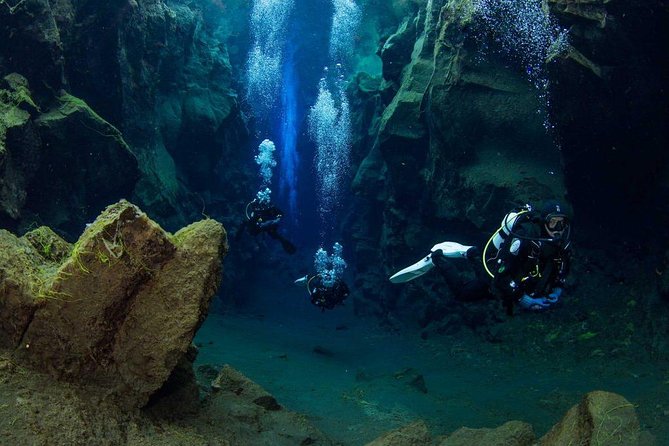
This is the core reason to book this particular tour rather than just “go somewhere and look at rocks.”
You’ll start at the Silfra Deep Crack, a narrow near the entrance. That section is great for orientation because the walls feel close, and you naturally slow down to manage your buoyancy and fins.
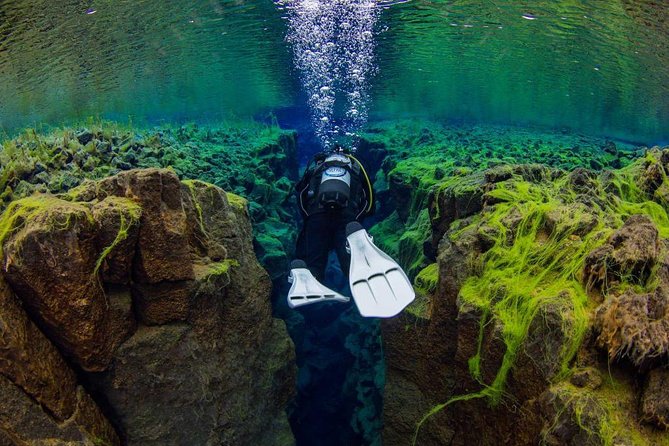
Next is Silfra Hall, where the space opens. This is often where you’ll feel most of the benefit of visibility, because you can spot volcanic shapes and see distance more clearly than you would in murkier water.
Then comes Silfra Cathedral, listed as the deepest point at about 22 meters. In real life, your actual maximum depth can vary based on conditions and your group’s comfort and experience. Some divers have reported shallower practical maximums on shorter profiles. Your guide will manage the plan for your safety.
Finally, you’ll finish with Silfra Lagoon, a stunning end section where the fissure widens and the exit workflow is clearer. After you’re done, the guide assists you with removing fins at the exit platform.
The schedule notes a 300-meter walk back to the car park after the exit. If needed, you can have weights or gear removed to make the walk easier. There’s also an option to rest at the visitor entrance along the way.
What the Visibility and Temperature Really Mean for Your Comfort
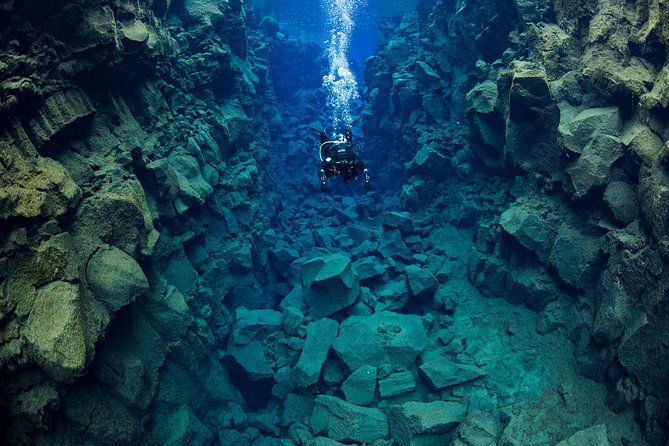
Reports from the site describe visibility that can feel almost unbelievable, with some people saying they could see on the order of 100 meters. That kind of clarity changes how the experience feels. You’re not straining to make out shapes. You can actually study the rock textures and the contours of the fissure.
Temperature is the balancing act. The water is commonly around 2 to 3°C, and even with dry suits, your hands and face comfort depend on the suit fit, the thermal layers under it, and how well the hood seals.
What helped in real on-site experiences: good undergarments and gloves that stay sealed and functional. When those work, the cold becomes manageable. When they don’t, you’ll spend mental energy on comfort instead of enjoying the route.
Guides, Group Flow, and Why “Small Group” Matters Underwater
The tour is designed for a small group, with a maximum of 3 travelers. In a place with high demand, that is not just a luxury. It directly affects how your day runs.
With a small group, the guide can spend more time on pre-entry steps like weighting checks, buoyancy practice tips, and mask seal confirmation. It also helps in managing the line at entry and exit points.
From real experiences, guide quality is a major factor. People have praised guides for being attentive and patient, including named staff such as Maciek, Julian, and Arturo. Those details matter because a dry suit setup is easier when your guide is focused on you, not just moving the line along.
That also explains the main downside you should plan for: when the site is busy, you may wait. One common complaint is delays during busy times, and another is time pressure to start quickly when there are multiple groups queued. If you’re the type who gets anxious by waiting, it helps to know that this is a shared logistical space.
Price and Value: What $344.67 Buys You
At around $344.67 per person, this isn’t a budget activity. But it’s also not just a ticket to “a cool place.”
Your money goes toward a full dry suit scuba package, including equipment (thermal layer through fins and tanks), a PADI-certified professional, and round-trip transportation from select Reykjavik hotels. You also get Þingvellir admission and a small warm comfort package, hot chocolate and cookies.
Food and drinks are not included, so plan to eat before pickup or bring something small for after you get back. Given the cold and the physical effort, you’ll likely feel ready for real calories after the day.
My value take: this price makes sense if you compare it to assembling your own cold-water setup, finding an instructor who runs dry-suit conditions, and paying for both transport and park admission. If you already have everything and you’re experienced, it’s still one of the cleaner ways to get a structured route rather than piecing together logistics yourself.
Things to Watch Out For Before You Commit
I’d treat this as a demanding cold-water skill experience. The most frequent practical challenges in feedback are the kind you can prepare for.
1) Gear quirks can ruin comfort. Some divers have reported issues with gear components, such as connection problems with BCD hoses or a weight belt release. You can’t control equipment condition before you arrive, but you can do a fast gear check at the fitting stage. Ask for adjustments and confirm everything feels secure before you enter.
2) Weighting matters a lot in dry suits. Reports mention that neoprene suits can feel more buoyant than expected and may require more weight than people assume. Even if you know your buoyancy, expect your weighting to be set and then rechecked during briefing.
3) Guide pace affects your experience. Some people want more time at the rift for iconic photos. Others want a slow, camera-friendly profile. If your guide swims ahead, you might miss stops. Speak up early about what you care about, especially photo moments and any comfort concerns.
4) Walking with gear is real. The walk to the ramp can tire you out. The return walk with extra weight can be unpleasant. Plan layers, keep a steady pace, and be ready for cold wind while you warm up on the way back.
After the Water: Exiting, Warming Up, and Returning to Reykjavik
When the session ends, you’ll dry off and review the experience with your guide. Hot chocolate and cookies are included, so you’ll have something warm waiting. That little detail matters in winter Iceland because your body wants quick comfort after cold exposure.
Then you’ll walk back about 300 meters to the car park. If needed, you can have assistance removing weights or gear to make that walk easier. There’s also an option to rest at the visitor entrance along the way.
Finally, you’ll relax during the return transfer to your original pickup point in Reykjavik.
Who Should Book This Silfra Fissure Scuba Tour
Book it if you:
- Have dry suit certification and have done cold-water dry suit work
- Want a structured route with specific underwater sections, not just a generic underwater outing
- Enjoy geology and want the tectonic boundary experience in crystal-clear water
- Prefer a small group with individualized attention
Skip it (or choose a different format) if you:
- Expect a first-time dry suit experience
- Have trouble with cold water, heavy gear handling, or longer walks with equipment
- Need to wear glasses under a mask setup, since the seal must remain clear
- Have medical conditions that could make you ineligible based on the operator’s medical review process
Should You Book This Tour or Look Elsewhere?
My honest take: this is a high-impact, high-visibility experience for the right diver. The location, the clarity, and the plate-boundary concept make Silfra feel like something you’ll remember for years.
If you meet the dry suit experience requirement and you’re comfortable carrying equipment and moving on uneven winter surfaces, I think this is a strong choice. The included transport, park admission, and full gear package add real value, and the small group limit helps the day feel focused instead of chaotic.
If you’re on the edge about dry suit comfort, don’t gamble on it here. Cold plus weight plus buoyancy control is a combo that rewards preparation. If anything about your eligibility or comfort is uncertain, sort that out before you commit.
FAQ
FAQ
How long is the Silfra fissure scuba tour?
The total experience is about 6 hours, including pickup, the Þingvellir stop, the underwater time, and the return transfer.
Where are you picked up from?
Pickup is offered from select accommodations in Reykjavík. You can only use the pickup locations listed by the operator.
Is round-trip transportation included?
Yes. Round-trip transport from select Reykjavík hotels is included.
What is the group size?
This experience has a maximum of 3 travelers, which supports a more personal guide-to-diver setup.
What equipment is included?
The tour includes thermal undersuit, dry suit, BCD, regulator, weight, tanks, hood and gloves, mask, and fins.
Do I need dry suit certification?
Yes. You must show dry suit certification or provide logbook proof of at least 10 dry suit dives/sessions.
What are the underwater areas you’ll explore?
You’ll explore four sections: Silfra Deep Crack, Silfra Hall, Silfra Cathedral (listed deepest point at 22 meters), and Silfra Lagoon.
How cold is the water?
Recent experiences mention very cold water, around 2 to 3°C.
Is food included?
No. Hot chocolate and cookies are included, but food and drinks are not.
Do I need prescription eyewear?
You cannot wear glasses under the mask. The mask seal must stay unobstructed. Bring contact lenses or your own prescription goggles.
What if weather is bad?
This experience requires good weather. If it’s canceled due to poor weather, you’ll be offered a different date or a full refund.
More Tours in Reykjavik

More Tour Reviews in Reykjavik

More Snorkelling in Silfra
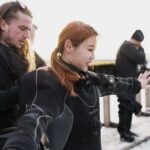

Fresh off the road around Reykjavik


Silfra Snorkeling Tours, compared.
 ★ 5.0Silfra: Snorkeling Between Tectonic Plates – Meet on LocationFrom $1545,001 reviews
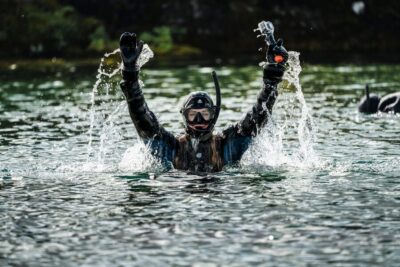 ★ 4.7Silfra Fissure Snorkeling between Two ContinentsFrom $1401,712 reviews
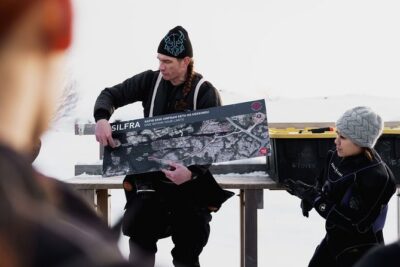 ★ 5.0Silfra Drysuit Snorkeling with Free Photos – Meet on LocationFrom $1401,299 reviews
 ★ 5.0Silfra: Snorkeling Between Tectonic Plates Pick Up from ReykjavikFrom $2251,187 reviews
 ★ 5.0Silfra Drysuit Snorkeling Tour with Free Photos – From ReykjavikFrom $189624 reviews
 ★ 5.0Silfra: Diving Between Tectonic Plates and Pick Up from ReykjavikFrom $325590 reviews
 ★ 5.0Golden Circle & Snorkeling in Silfra From Reykjavík with Free PhotosFrom $320571 reviews
 ★ 4.8Silfra Snorkeling with Free PhotosFrom $212506 reviews
Browse the lists this tour appears in