

Reviewed · ICELANDIC HORSE RIDING TOURS
Experience Countryside of Iceland by Horseback Riding
One ride and you get why Iceland runs on horses. This countryside horseback tour takes you from central Reykjavik out to Þorlákshöfn, and I love the chance to experience the Icelandic horse’s tölt gait up close. The other big win is the small group size, which means you get real help instead of being shoved along, plus you’ll get safety coaching from friendly guides like Maggi and Magnus. One consideration: the exact route and what you see can shift with weather and season, so flexibility helps.
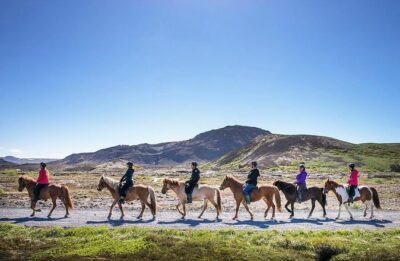
You’ll explore the South Coast area around Þorlákshöfn, where the scenery can include beaches, lava fields, tall grass banks, and mountain views. It’s designed for both first-timers and more seasoned riders, with guides adjusting the pace so nobody gets left behind. Still, a few people have mentioned delays or shorter routes, so don’t book this as your one and only must-see on a tight schedule.
Key Details at a Glance Before You Go

- Small group, max 12: easier instruction and more personal pacing.
- The tölt is the star: Icelandic horses have a unique gait you’ll likely feel right away.
- Transfers included from central Reykjavik hotels: you avoid the rental-car headache.
- Outdoors, off-road potential: the terrain can be beach-adjacent and lava-field type country.
- Helmets, riding gear, and snacks included: you just need the right clothes and shoes.
Back in the saddle on an Icelandic horse
- Reykjavik: Red Lava Horse Riding Tour★ 4.8 · 2,383 reviews
- From Reykjavík: Icelandic Horse Riding Tour in Lava Fields★ 4.7 · 1,356 reviews
- Icelandic Horseback Riding Tour Including Pick Up from Reykjavik★ 5.0 · 784 reviews
Riding Icelandic Horses Near Þorlákshöfn

This tour’s core idea is simple: trade city time for horse time. You’ll ride Icelandic horses in the South Coast countryside around Þorlákshöfn, a small fishing village about 45 minutes from Reykjavik.
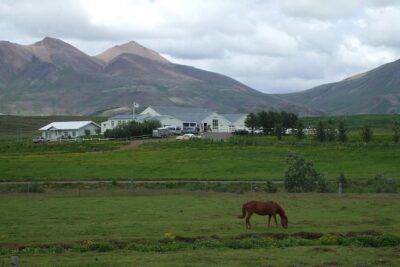
What makes this area fun is the mix of terrain. Depending on the day, you may see views over beaches, stretches of lava fields, and those open, slightly wild Iceland fields that look like they’ve never met a sidewalk. Even when the route changes, the setting tends to feel authentic and un-fancy, in the best way.
Expect a “learn as you go” style of riding. Guides adjust to the slowest rider in the group, so your ride is paced for comfort and control rather than speed. That matters because on an Icelandic horse, you are not just moving forward, you are learning a rhythm.
Reykjavik Hotel Transfers, Then Straight to Horse Country
A big reason this tour is easy to choose is the round-trip transfer from central Reykjavik hotels. That takes the stress out of timing, and it also reduces the chance you’ll arrive rushed or flustered, which is exactly what you do not want right before mounting up.
The meeting point is in Þorlákshöfn at Alhestar, Faxabraut 6, 815 Þorlákshöfn. Your day ends back at the same meeting point, and the ride itself is built into the approximate 3-hour total outing.
One practical tip: keep your phone charged. The tour uses a mobile ticket, so you’ll want your confirmation ready when you’re gathering everyone or showing details.
How the Tölt Gait Changes the Feel of the Ride
If you’ve only ever ridden standard horses elsewhere, the tölt is the big new sensation. Icelandic horses can move with a distinctive, smooth gait that feels different from the typical walk, trot, or canter.
In plain terms, it can feel like the horse is staying very steady while still moving efficiently. That’s why beginners often report feeling more confident once they get their balance and timing. It’s also why experienced riders enjoy it, because it adds a skill to pay attention to.
Guides typically teach you what to do with your body and hands, not just how to hold on. In the accounts you’ll see a consistent theme: calm, step-by-step coaching and an emphasis on safety and control, especially for first-timers who are a little nervous.
Your Route: Beaches, Lava Fields, Grass Banks, Mountains
The tour route depends on weather and season, so it’s not a promise of one exact set of landmarks. But the surrounding area around Þorlákshöfn gives you good odds of getting variety in a single outing.
Here’s what you might encounter on the ride:
- Beach views and coastal stretches (when conditions allow)
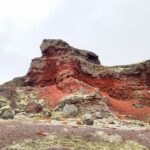
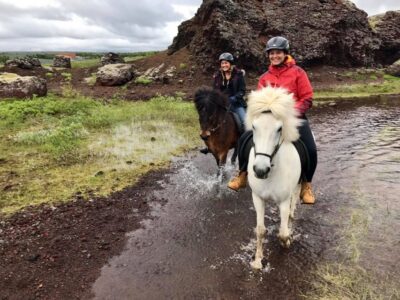
- Lava fields and rocky ground types that feel very Iceland
- Tall grass banks that make the terrain look both soft and dramatic
- Mountain views in the distance, often framed by open sky
This is one of those tours where the outdoor reality beats the brochure. If it’s windy or slippery, expect the guide to adjust the route for your comfort, not force the same track every time.
Also, consider this a reason to dress sensibly even on “nice” days. Iceland weather changes fast, and you do not want to realize that you should have worn warmer layers after you’re already saddled.
Worth a look alongside this Reykjavik pick:
Small-Group Riding: Why Max 12 Helps

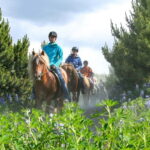
Maximum group size is 12, and that’s not just marketing math. Fewer riders means the guide can actually check what’s going on with you, not just do a rolling count and hope for the best.
In practice, that shows up as slower, clearer pace setting. Guides also adjust the ride speed to match the slowest rider, which can make the whole experience feel more relaxed. That matters because horseback riding is not only about being brave, it’s about being calm enough to learn.
You’ll also likely get more interaction with the guides. People highlight friendly, patient instruction from owners and guides such as Maggi and Magnus, and a supporting instructor named Sigrún shows up in feedback too. You may notice language gaps, but the tone is usually friendly and practical, and communication tends to happen through clear guidance and body cues.
Gear and Clothing: What You Need to Bring (And What You Don’t)
Helmets and riding equipment are included, plus snacks. The tour also points out what you’ll need to handle yourself: good shoes and warm, comfortable clothes.
That means you should think beyond fashion:
- Wear shoes with grip, because Iceland ground can be slick.
- Bring layers you can adjust quickly, especially if wind picks up.
- Expect that you’ll be outside before and after the ride, not just while riding.
If you’re tempted to wear fashion boots, don’t. Go for something that feels secure on uneven ground. The horses and terrain do not care that your outfit looks good in photos.
Safety Style: Calm Coaching Over Cowboy Chaos
A strong pattern in the feedback is the guides’ approach to safety and teaching. People describe Maggi and Magnus as calm and careful, with a focus on making sure everyone knows how to control the horse.
That coaching approach matters because Icelandic horses have their own personality and gait mechanics. Even if you’ve ridden before, you still need instruction that matches the local horse style and the terrain you’re riding on.
There’s also evidence of off-road riding, with riders mentioning going off the standard track and exploring more rugged country. That’s a plus for authenticity, but it’s also one more reason you should take the safety briefing seriously and speak up if something feels unclear.
Price and Value for About $207
At around $207, this is not the cheapest activity in Iceland. But it also isn’t a fancy, add-ons-heavy tourist show. You’re paying for something more specific: guided horseback time on Icelandic horses, with transfers from Reykjavik, helmets and riding gear, and snacks.
To judge value, I’d look at two things:
- Small-group instruction and patient coaching, which matters most if you’re new to horses.
- What you get to ride through, because the South Coast around Þorlákshöfn can deliver a real mix of lava, grass, and coastal views.
If you’re the type who wants a different “Iceland-only” memory, the price starts to make sense fast. But if you’re extremely time-limited or trying to maximize cost per hour, you’ll want to check your expectations about route variability. A couple of negative notes mention equipment conditions, delays, and rides that felt shorter or limited. Those are the things to watch, and why flexible scheduling helps.
Weather Reality: Why Your Best Plan Includes a Backup Mindset
This experience depends on good weather. That’s not a vague warning, it’s part of the deal, because horses and riders still need safe ground and manageable conditions.
If the tour is canceled due to poor weather, you’ll be offered a different date or a full refund. The practical takeaway: keep your schedule soft around this activity, and don’t stack it tightly against another outdoor plan.
When conditions are tricky, guides typically adjust the pace and likely the route. That can mean you miss certain views on certain days, but it usually keeps the ride enjoyable and safe instead of turning it into a stress test.
The Friendly Extras: Coffee After the Ride
One of the nicest touches in feedback is the hospitality afterward. Several people talk about being offered coffee after the ride, sometimes at the farm or in a home setting.
That detail isn’t guaranteed in the basic inclusions list, but it shows up often enough to feel like part of the culture around the operation. If you like human-scale experiences, that’s a real part of the appeal.
Who This Tour Fits Best, and Who Might Skip It
This tour fits best if you want:
- A real Icelandic horse experience, not just a short stable session
- A guided ride that works for both beginners and experienced riders
- A small group day trip from Reykjavik with no rental car stress
You might want to think twice if:
- You’re very sensitive to delays and schedule changes
- You hate uncertainty about route and scenery because weather can alter what you see
- You need a super polished, luxury-style setup, since this is described more as horses, countryside, and instruction than comfort-first tourism
If you’re bringing kids, also note the physical fitness requirement is listed as moderate. You should check whether your group matches that level of comfort.
Should You Book Countryside of Iceland by Horseback Riding?
Book it if you want an Iceland memory that feels hands-on and local. The mix of tölt riding, a small group pace, and the Þorlákshöfn countryside adds up to a day that’s both scenic and genuinely different.
Skip it or reconsider if you have no flexibility for weather, or if your schedule is so tight that a late start would wreck your day. Also, if you’re picky about equipment condition, read your booking details carefully and ask questions before you go.
For most visitors, though, this is the kind of experience that turns a trip from photos into stories. If you show up ready for outdoor riding, listen to the safety coaching, and go with the flow of the day, you’ll likely leave with that calm, slightly healed feeling people describe after time with horses.
FAQ
What is included in the tour?
Helmets and riding equipment are included, along with snacks, and all fees and taxes.
How long is the tour?
The tour is approximately 3 hours total.
Do I need to be an experienced rider?
No. The tour is suitable for both beginners and experienced riders, and the guides adjust the pace to match the group.
Where does the tour start and end?
It starts at Alhestar, Faxabraut 6, 815 Þorlákshöfn, and ends back at the same meeting point.
Does the tour include transfers from Reykjavik?
Yes, round-trip transfers are offered from central Reykjavik hotels.
What happens if the weather is bad?
The experience requires good weather. If it’s canceled due to poor weather, you’ll be offered a different date or a full refund.
More Horses in Reykjavik
More Tour Reviews in Reykjavik
More Rides on the Icelandic Horse
Fresh off the road around Reykjavik


Icelandic Horse Riding Tours, compared.
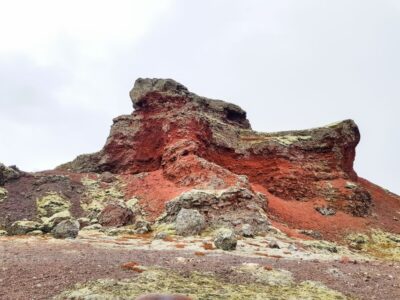 ★ 4.8Red Lava Horse Riding TourFrom $1422,383 reviews
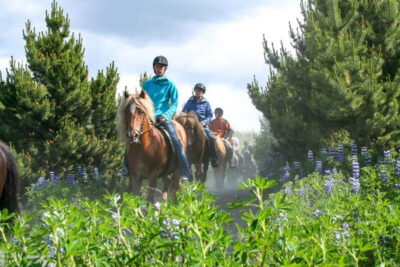 ★ 4.7Icelandic Horse Riding Tour in Lava FieldsFrom $1411,356 reviews
 ★ 5.0Icelandic Horseback Riding Tour with Pickup Option from ReykjavikFrom $1331,145 reviews
 ★ 5.0Icelandic Horseback Riding Tour Including Pick Up from ReykjavikFrom $152784 reviews
 ★ 5.0Red Lava Horse Riding Tour From ReykjavikFrom $139386 reviews
 ★ 4.7Small-Group Horse Volcano Riding Tour with PickupFrom $191196 reviews
 ★ 4.5Viking Horse Riding and Golden Circle Tour from ReykjavikFrom $213151 reviews
 ★ 4.9Horse Riding ToursFrom $200127 reviews
Browse the lists this tour appears in