

Reviewed · ICELANDIC HORSE RIDING TOURS
Horseback Riding Tour in Iceland
Riding Icelandic horses is a fast route to wonder. At Ishestar, a short 50-minute outing pairs Icelandic horses with mossy lava fields and wide mountain views near Reykjavik. If you want something active that still feels calm and controlled, this is a great fit.
Two things I like a lot. First, it is built for beginners, with experienced guides focused on safety and comfort. Second, you get time to learn the Icelandic horse, including coaching that can zero in on the tölt gait and the breed background (even down to shoeing style).
One catch: this is not a long adventure, and no food is included, so plan to eat before you arrive and treat it as a quick hit of Iceland outdoors.
Key things to know before you saddle up

- Beginner-focused ride with guide support from start to finish
- Small groups up to 15 for easier attention and smoother pacing
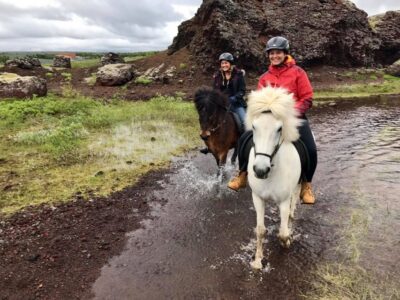
- Included gear: helmet, rubber boots, and rain wear or warm overalls
- Moss-covered lava fields plus panoramic Bláfjöll mountain views
- English-guided experience with chances to get to know your Icelandic horse
Back in the saddle on an Icelandic horse
- Reykjavik: Red Lava Horse Riding Tour★ 4.8 · 2,383 reviews
- From Reykjavík: Icelandic Horse Riding Tour in Lava Fields★ 4.7 · 1,356 reviews
- Icelandic Horseback Riding Tour Including Pick Up from Reykjavik★ 5.0 · 784 reviews
Ishestar ride timing: how a 50-minute tour works with your Reykjavík plans

This is the kind of activity that makes Iceland feel close, not complicated. The ride itself is about 50 minutes, but you should think in terms of an hour to an hour-and-a-bit on site, because you arrive 30 minutes before departure.
That early arrival matters. You will have time for the basics, get your gear sorted, and settle in before the safety talk and mount-up. If you are juggling other Reykjavík ideas that same day, this short window helps you avoid the common problem in Iceland: the weather changes, and longer tours can turn into long waits.
Also, the location is practical. It is in the Hafnarfjörður area (Sörlaskeið 26) and is described as near public transportation. So even if you are not driving, you are not completely locked into renting a car just for one activity.
Where you meet and what the center experience is really like
You meet at Sörlaskeið 26, 220 Hafnarfjörður, Iceland, and the tour ends back at the same meeting point. That round-trip setup is underrated value, especially if you are spending most of your time in Reykjavík and want to keep logistics simple.
The center experience is designed to work for both riders and spectators. One of the strongest themes from the feedback is how the facility is set up so you are not stuck feeling like you are in the way. You get to watch, you get to understand what is happening, and riders get a smoother lead-in to the ride.
You will also get a clear process once you arrive. You will handle safety steps, and then you have time to connect with the horses in the stable area before you go out. That matters in a place like this, where the Icelandic horse is the main character.
If you are hoping for a more personal feel, the operation is also capable of offering a more one-to-one style lesson when schedules allow. One guide named Barbora was specifically praised for helping riders feel at ease and learn the basics fast.
What is included: gear that keeps your ride comfortable
The tour includes the stuff that usually turns “horseback riding” into “why am I cold?”:
- Riding helmets
- Rubber boots
- Rain wear or warm overalls
- Guidance from the staff and guides
This is a big value point. Iceland weather can go sideways quickly, and the included gear takes the guessing out of what to pack. It also helps beginners. When you feel secure in your footing and warm enough to relax, you ride better.
Still, you should show up dressed for the outdoors. Even with overalls or rain wear included, you will be happier if you wear layers you can manage comfortably. Think along the lines of what you would wear for a brisk walk outside, since you will be standing around briefly before mounting.
There are also some clear limits to know up front. The weight limit is 110 kg / 240 lbs. And the tour is listed as suitable for most travelers, but if you are near the limit, it is worth checking carefully before you plan your day around it.
The ride route: mossy lava fields, Bláfjöll views, and beginner comfort

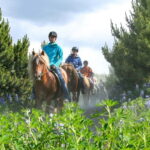
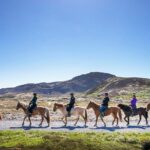
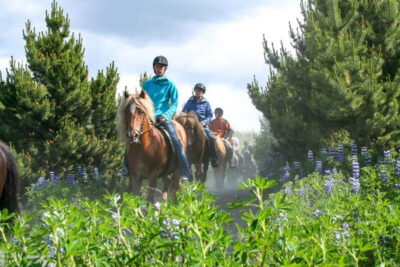
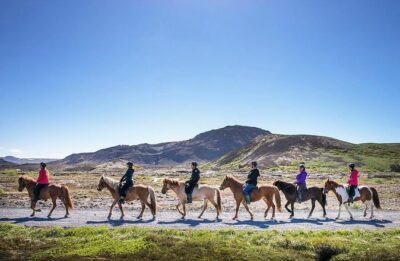
The main attraction is the ride itself. You will hop onto an Icelandic horse and go through scenic areas around Reykjavík, including moss-covered lava fields and riding paths with sweeping views.
One highlight you can count on is the sense of altitude and open sky around the Bláfjöll mountains. Even on a short ride, you get that panoramic feeling. The tour also references Bajo’ll Mountains in the surrounding area, so you should expect the guides to talk about local geography as you move through the route.
What makes this route work for beginners is the guide approach. You are not left to figure everything out on your own after you swing your leg over. Experienced staff are there to keep you safe and comfortable, and the pace is set with riders in mind.
One more practical thing: the ride is designed to be an experience, not a grind. Because it is around 50 minutes, you are not stuck for hours in the same saddle position. For first-timers, that keeps the whole thing from feeling overwhelming.
Worth a look alongside this Reykjavik pick:
A note on what you might learn while you ride
You will get opportunities to get to know the Icelandic horse. And if you are a little more curious than the average rider, you can also learn the how and why. In particular, some guests highlighted that their guides explained the Icelandic horse in a practical way, including things like shoeing style and how the tölt gait is taught and used.
Even if you do not care about the technical side, you will still benefit. Understanding how the horse moves helps you relax and go with the rhythm.
Icelandic horse basics: why the tölt coaching gets praise

The Icelandic horse is known for its unique gaits, and the tour is the right setting to learn what that means in real life. The ride is not just about sitting on a horse and taking pictures. It is a chance to feel how the animal carries itself and how a guide can cue you.
In the feedback, the most glowing moments often involve instruction. People talked about getting help with the tölt, and they also mentioned learning breed background from their guide. That blend is what makes the experience satisfying after you are back on your feet, not just after the ride ends.
If you are nervous about riding, take heart. The guides are there to manage safety and comfort first. If you are already comfortable in a saddle, you may find you can go a touch faster or work on technique, depending on your prior experience and the horse you are matched with.
Horse matching is part of the value here. One guest described being matched well to their riding background, which made it easier to enjoy the ride at a pace they could handle.
Group size and guide attention: why up to 15 matters

With a maximum of 15 travelers, you avoid the worst-case scenario of feeling like a ticket number. Smaller groups mean:
- You can hear instructions clearly
- The guide can watch body position and adjust support
- More people can get questions answered
It is also a better setup for beginners. When you are learning, you want your guide nearby and not halfway across the line.
And it seems the staff pay attention to the human side too. One praised experience was about getting time to personally connect with the guide and feel like you were learning with someone, not being processed by a system. If you come in with no riding experience, that kind of calm coaching makes a big difference.
Logistics that affect your comfort: weather, timing, and what to bring

This activity depends on weather. It is listed as requiring good weather, and if it is canceled due to poor weather, you will be offered a different date or a full refund. So when you book, build in the flexibility Iceland demands.
For your own side, plan for changeable conditions. Even if you get rain wear or warm overalls, you will still want:
- Layers you can manage
- Something warm for hands if you tend to get cold outside
- Closed-toe footwear if you are not using the included rubber boots for the entire time
The center provides rubber boots, which is great, because Iceland ground can be slick. Still, the rest of your clothing matters. If your base layers are too thick or too thin, you will notice it once you start moving, even during a short ride.
Then there is timing. Because you arrive 30 minutes prior, you should not schedule a super tight connection afterward. Give yourself breathing room for getting back to your next stop.
Price and value: what you get for $135.16

The price is $135.16 per person for an experience that is about 50 minutes. At first glance, it can sound like you are paying mostly for time. But look closer at what is included and what you are buying: guidance, gear, and access to a guided ride through real outdoor scenery.
In practical terms, the value comes from:
- Included equipment (helmet, boots, rain wear or warm overalls)
- Experienced guides who handle safety and beginner pacing
- A structured introduction to Icelandic riding, not just a casual trail
- Small group size up to 15, which supports more attention
What is not included matters too. There is no food or beverages. So factor in what you will do before and after. If you are hungry, you will feel it, and you do not want that during the ride.
One more value angle: Icelandic horseback riding near Reykjavík can be the kind of “I will do it someday” activity that slips away. This one is short enough to actually fit into a schedule, while still feeling like you did something meaningful outdoors.
Who should book this tour from Reykjavík
This tour is a strong match if:
- You are a beginner who wants a guided ride without the stress
- You want to see mossy lava fields and mountain views without committing to a full day
- You prefer a small group and hands-on coaching
- You want to learn something specific about the Icelandic horse, not just sit and go
It is also a good choice if you are traveling with mixed experience levels, because the ride is set up to help first-timers and still support people who want technique tips.
If you are an advanced rider looking for a long, fast trek, this may feel short. But if your goal is comfort, guidance, and Iceland scenery in one clean package, it is hard to fault.
Should you book this Ishestar horseback ride?
My take: yes, if you want an efficient, beginner-friendly way to experience Iceland outdoors. The combination of included gear, a guide-led setup, and moss-covered lava field scenery makes this more than a quick novelty. It is a real activity that fits into a realistic day plan.
Book it sooner rather than later if your dates are fixed. On average, this type of tour is booked about 23 days in advance, so you do not want to wait until the last minute.
If you are choosing between options, pick this one when you care about comfort and coaching. It is the kind of tour where learning the basics and feeling safe is treated as the main event, not an afterthought.
More Tours in Reykjavik

More Tour Reviews in Reykjavik

More Rides on the Icelandic Horse
Fresh off the road around Reykjavik


Icelandic Horse Riding Tours, compared.
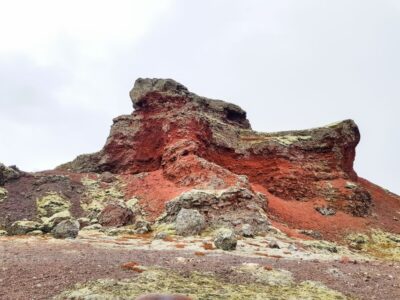 ★ 4.8Red Lava Horse Riding TourFrom $1422,383 reviews
 ★ 4.7Icelandic Horse Riding Tour in Lava FieldsFrom $1411,356 reviews
 ★ 5.0Icelandic Horseback Riding Tour with Pickup Option from ReykjavikFrom $1331,145 reviews
 ★ 5.0Icelandic Horseback Riding Tour Including Pick Up from ReykjavikFrom $152784 reviews
 ★ 5.0Red Lava Horse Riding Tour From ReykjavikFrom $139386 reviews
 ★ 4.7Small-Group Horse Volcano Riding Tour with PickupFrom $191196 reviews
 ★ 4.5Viking Horse Riding and Golden Circle Tour from ReykjavikFrom $213151 reviews
 ★ 4.9Horse Riding ToursFrom $200127 reviews
Browse the lists this tour appears in