

Reviewed · WHALE WATCHING
Magical Whales in the Midnight Sun | from Reykjavik
Midnight sun, then whales at sea. This night cruise out of Reykjavik takes advantage of Iceland’s summer light, and I love the included bonus Whale-Watching Centre access plus the fact that loaner coveralls help you actually enjoy the time on deck. I also like the onboard multimedia intro and live commentary that make it easier to understand what you’re seeing. One consideration: even in June and July, it can be cold and the sea can feel rough, so come ready with layers and motion-sickness basics.
You’ll start at Elding Whale Watching in Reykjavik Old Harbour, board in the evening, and then spend about 2.5 hours on open water before heading back around 11 pm. You’re not just buying a boat ride. You’re buying a guided wildlife hunt, with a warm indoor option and the kind of nighttime sky you don’t get many other places.
Key Things You Should Know Before You Go
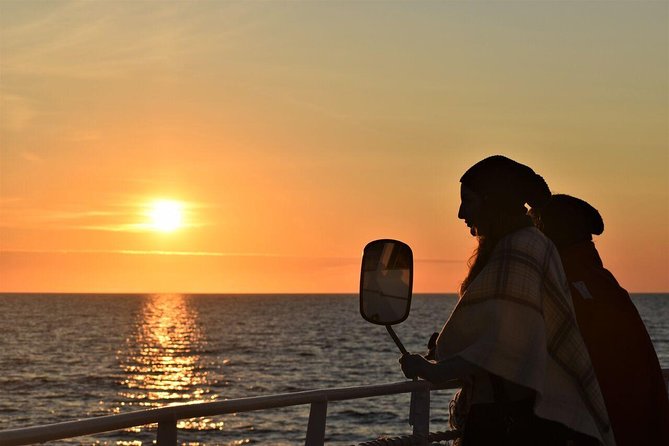
- Midnight sun timing: the sun stays above the horizon in June and July, so you get a rare night-sky viewing window.
- Whale-Watching Centre included: you get access before you sail, not just after you return.
- Warm coveralls provided: far more useful than hoping your regular jacket cuts it on the water.
- Deck time plus warm-up time: there’s an onboard Wi-Fi cabin so you can warm up without missing the hunt.
- Short onboard intro show: you get a quick, guided primer on Iceland’s marine life before you’re out searching.
- Crew helps you spot and reposition: the team works to keep wildlife sightings visible from different angles.
The sun that never quite sets, other outings
- Reykjavik: Midnight Sun Whale Watching Tour★ 4.6 · 286 reviews
- Midnight Sun ATV Adventure from Reykjavik★ 5.0 · 112 reviews
- Magical Whales in the Midnight Sun | from Reykjavik★ 4.5 · 91 reviews
Entering Elding’s Midnight Sun World from Reykjavik Old Harbour
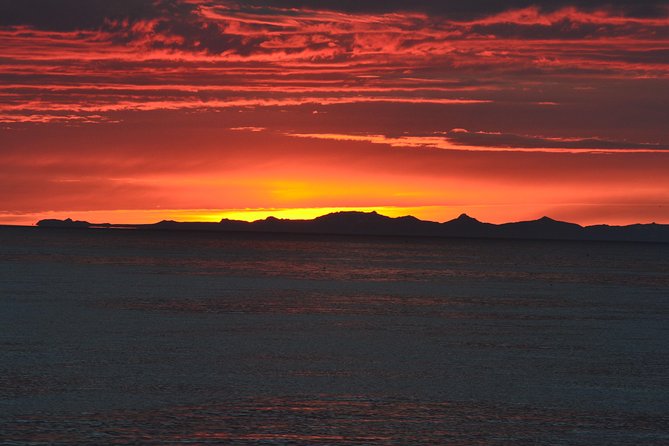
Reykjavik in summer has a magic trick. During June and July, the sun never fully drops below the horizon, so you get that endless twilight glow that feels almost unreal. This tour is built for that. It’s a nighttime cruise where the sky still looks like late evening, which makes spotting animals much more comfortable than a fully dark, frozen-blue night.
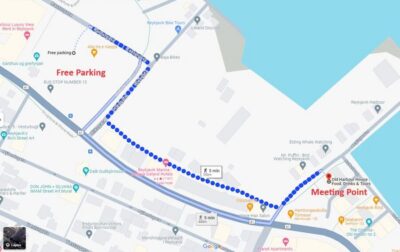
The tour starts at Elding Whale Watching, at Ægisgarður 5c, in Reykjavik’s Old Harbour area. It’s also convenient for getting there, since it’s near public transportation. For me, that matters because you do not want to spend your whale-watching evening stuck in transit stress. You want to arrive, get oriented, and be ready to board.
A nice detail is that the tour is capped at a maximum of 150 travelers. That usually means you can find your spot on deck without feeling like you are packed into a human sardine can. It’s still a group experience, but you keep enough room to move when the action starts.
The Included Whale-Watching Centre Bonus Before You Board
This isn’t a “just show up, hop on a boat, hope for the best” situation. You also get access to the Whale-Watching Centre at Reykjavik Old Harbour. That’s a real value add because it gives you context before you’re out on the water.
You’ll get a better sense of what whales and dolphins look like from shore-level knowledge first, then you translate that into real spotting once you’re cruising. Even if you’re already a wildlife fan, this kind of pre-sailing context helps you notice small things you might otherwise miss, like body shape at the surface or the rhythm of surfacing.
And if you’re traveling with someone who gets impatient on tours, this is a useful buffer. It gives you an early “we’re doing something” moment before the sea part begins.
The 3-Hour Evening Cruise Flow, Step by Step
After you board, the timing is part of the charm. You head out in the evening, then there’s a short onboard multimedia show that introduces Icelandic whales and marine life. It’s basically a quick onboard classroom that turns your deck time into something you can actually connect to.
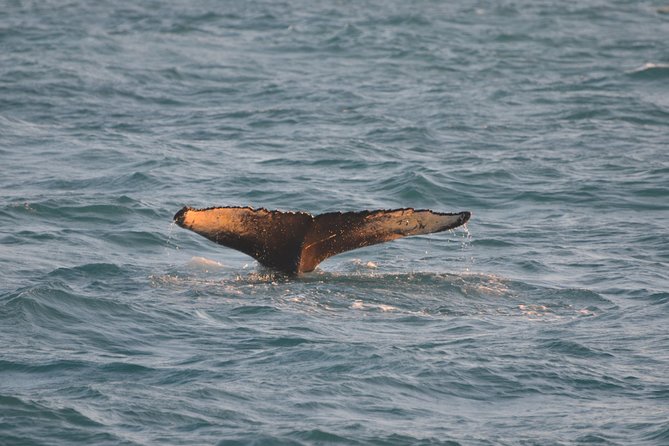
Once you’re on open water, you’ll focus on humpback whales and minke whales. You also have a chance at white-beaked dolphins and harbor porpoises. Your onboard guide and crew help you spot and identify what’s out there, which is important. From a boat deck, your eyes work differently. The crew can point out what to track, and it saves you from wasting the whole trip staring at nothing.
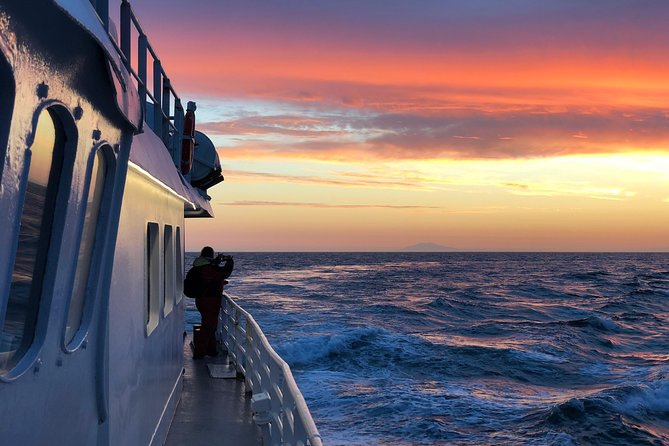
Then comes the best part for people who like atmosphere, not just animals. As you cruise, the sky stays lit just above the horizon, so the whole experience feels cinematic. At points, the captain cuts the engine, which helps you hear and feel the stillness. That combination, gentle noise control and midnight-sun light, is exactly why this tour format works so well in summer.
Around 2.5 hours on the water, you return to the harbor around 11 pm. It’s a compact excursion for the payoff, especially if you’re trying to fit it into a busy Reykjavik itinerary.
Onboard Comfort That Actually Helps You Enjoy Wildlife
Here’s what I appreciate most: this tour treats comfort like part of the experience, not an afterthought. Loaner coveralls are provided to help you stay warm in wind and spray. People often underestimate how cold it can get on open water, even when the calendar says summer. Coveralls solve the “I brought the wrong jacket” problem quickly.
On top of that, bring a hat and gloves if you have them. You can wear what you want under the coveralls, but your head and hands still take the brunt of cold air on deck. Even in the midnight sun glow, the wind does not negotiate.
The boat also has an onboard Wi-Fi–equipped cabin, so if you want a break from the wind, you can warm up inside without ending your participation. You’re not forced to choose between comfort and wildlife.
Passenger feedback also highlights basics that matter on a night cruise: indoor space for warmth and practical onboard facilities like bathrooms. If the sea is lively or the weather shifts, this kind of indoor option can keep the mood pleasant rather than survival-mode.
One more practical point. The sea can be rocky. If you’re sensitive, take your sea-sickness medicine beforehand. It’s an easy prep step and it makes a huge difference when you’re watching for animal movement on a moving deck.
Back out on the bay for more whales


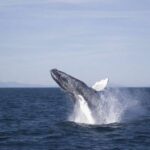
Wildlife Spotting: What You’re Watching For and How to Find It
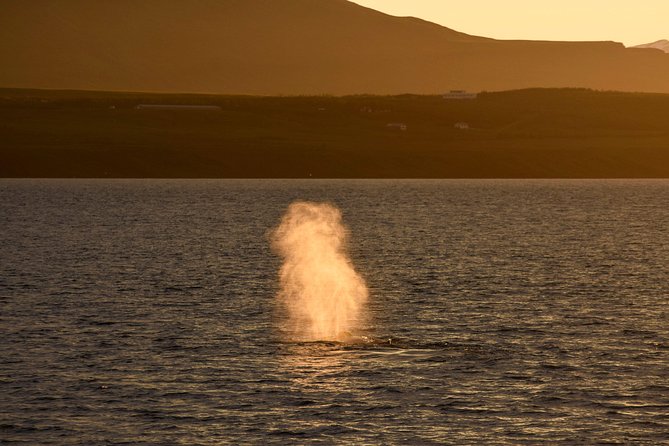
Let’s talk animals, because that’s what you came for.
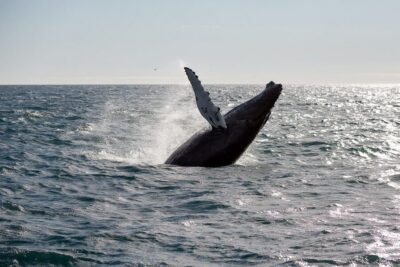
You can expect a search for humpback whales and minke whales. You may also see white-beaked dolphins and harbor porpoises. The crew doesn’t just point vaguely. They assist with spotting and identification, and they may reposition so whales are viewed from multiple sides of the ship. That matters because it improves your chances of seeing more than one surface event, and it helps you get the angle you need for clear viewing.
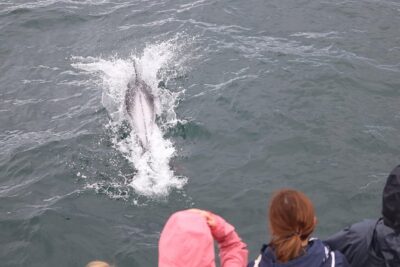
If dolphins show up, you will often do best when you move with the action. One practical tip is to get up toward the bow at the first dolphin sighting, since that’s where motion can be easiest to track. The fastest “wait and see” feeling goes away when you’re in the right sightline.
Also, don’t expect everything to happen instantly. Sometimes whales surface in intervals, then disappear for a while. The tour format gives you time on water and keeps the search active, which is the only way you increase your odds of multiple sightings.
Seabirds can show up too, depending on conditions. People have reported seeing birds like puffins when narration worked well and spotting was underway. Even if birds are not your main focus, they can help fill the moment between whale sightings.
And yes, there can be surprises. Some past trips included sightings beyond the main targets, like orcas. You should not plan your expectations around that. But it’s a good reminder that marine wildlife spotting is always a little unpredictable, even on well-run tours.
Weather Reality Check for a Midnight Sun Night
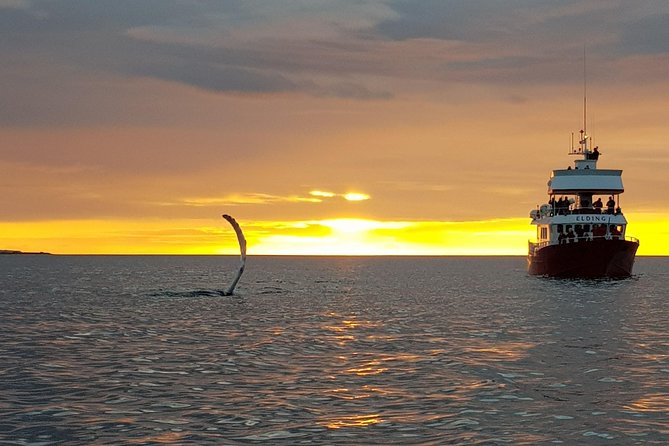
This is an experience that depends on good weather. The tour requires conditions that allow safe sailing. If conditions are poor, the activity can be canceled, and you’ll be offered a different date or a full refund.
That matters for two reasons.
First, you can’t control visibility or sea state. Rougher water can make spotting harder and make you feel more motion. Second, whales do not follow schedules. Even on calm days, wildlife availability is not guaranteed.
So my practical advice is simple: treat this as a wildlife outing, not a guaranteed whale encounter. If you go in expecting a hunt, you’ll handle the ups and downs better.
Also keep an eye on your personal tolerance. Even with coveralls, cold wind can wear you out if you stand outside the whole time. Use the cabin breaks. Watch from deck when you see activity, then reset inside to keep your hands steady and your patience intact.
Price and Value: What $105 Buys You (and What It Doesn’t)
The price is $105 per person for about 3 hours. On the surface, that might feel like a premium compared to daytime cruises. But you’re paying for a few things that add real value.
You’re not just buying boat time. You’re getting:
- a professional guide,
- access to the Whale-Watching Centre,
- use of warm coveralls,
- and onboard Wi-Fi.
That bundled comfort and education often costs extra elsewhere. Coveralls alone can save you from buying gear you may only use once. The Centre access is also a meaningful add-on, since you get guided context before you even leave harbor.
What’s not included is food and drinks. So plan on bringing water or snacks if you want them, or just budget for purchases if your operator provides options onboard. The tour is short enough that you can usually manage without a full meal, but I always like being prepared.
Finally, think about timing. A midnight-sun evening whale cruise is a very specific seasonal experience. In Reykjavik, that sun window is limited. If you’re there in June or July, this kind of “night with light” timing is one of the rare experiences you can’t easily recreate later in the year.
Who This Tour Fits Best in Reykjavik
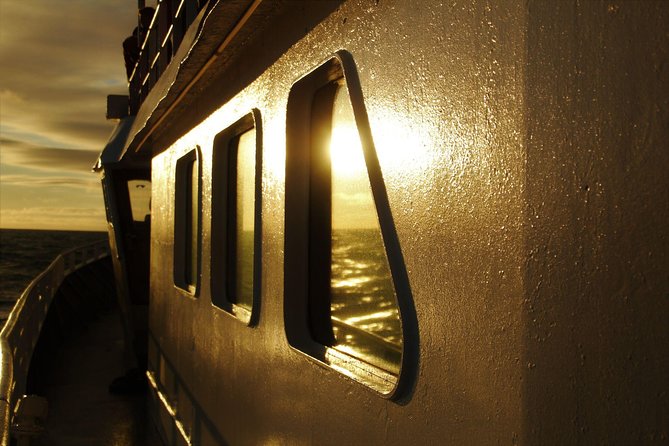
This tour works best if you want a guided whale search with enough comfort to last the full outing.
It’s especially a good fit for:
- First-time Iceland visitors who want an easy, focused activity from Reykjavik,
- People who like guided interpretation, since there’s a multimedia intro plus live commentary,
- Anyone traveling in summer months who wants to experience midnight sun light in a practical way,
- Couples and small groups who want a high-impact evening without a huge time commitment.
If you are very motion-sensitive, pack for comfort and consider bringing motion-sickness medication. If you hate being cold, still go, but plan to use the cabin breaks and trust the coveralls.
Most travelers can participate, and service animals are allowed. So it’s relatively straightforward for a wide range of visitors, as long as you’re okay with time on open water.
Should You Book Magical Whales in the Midnight Sun?
I think you should book if you’re in Reykjavik during June or July and you want a night cruise that actually takes advantage of the midnight sun. The combination of included Centre access, provided coveralls, and guided spotting makes this feel more like a real activity than a simple ride.
Skip or rethink if:
- you know you struggle with cold and don’t plan to layer,
- you get very seasick without preparation,
- or you’re traveling with a strict schedule where an weather cancellation would ruin your plans.
If you book, do two things to stack the odds in your favor: dress for wind, and commit to both deck watching and warm breaks inside. You’ll get the full experience, not just the highlights. In a season where the sky never fully turns off, that balance is exactly what makes the tour memorable.
FAQ
How long is the Magical Whales in the Midnight Sun cruise?
The experience lasts about 3 hours, with around 2.5 hours on the water, returning to the harbor around 11 pm.
What is included in the ticket price?
Included are a professional guide, access to the Whale-Watching Centre, use of warm coveralls, and use of onboard Wi-Fi.
Are food and drinks included?
No. Food and drinks are not included.
What should I wear for the cruise?
Dress warmly, and plan for wind on the water. Hat and gloves are recommended, and warm coveralls are provided to help keep you comfortable.
What time of year is this midnight-sun tour best for?
This tour is designed for the months of June and July, when the sun does not fully dip below the horizon.
What happens if the weather is poor?
The tour requires good weather. If it is canceled due to poor weather, you will be offered a different date or a full refund.
More Whale Watching off Reykjavik
More Tour Reviews in Reykjavik





More Under the Midnight Sun




Fresh off the road around Reykjavik


Whale Watching, compared.
 ★ 4.6Whale Watching and Marine Life CruiseFrom $879,838 reviews
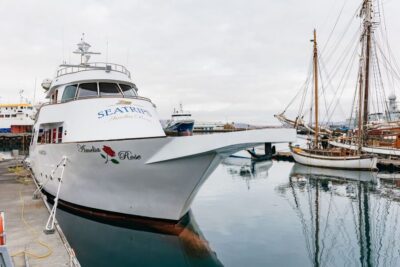 ★ 4.5Whale Watching Cruise on the Amelia Rose YachtFrom $1072,911 reviews
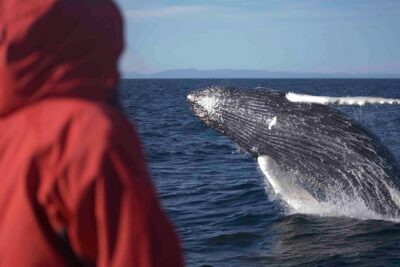 ★ 4.5The Original Classic Whale Watching from ReykjavikFrom $1052,626 reviews
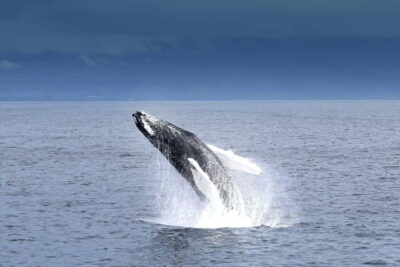 ★ 4.2Whale Watching Tour with Expert GuideFrom $902,307 reviews
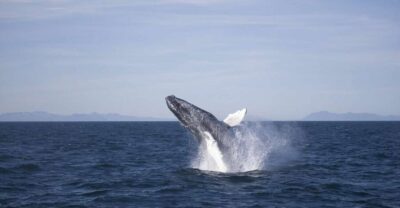 ★ 4.5the Original 3-Hour Whale Watching TourFrom $108908 reviews
 ★ 4.5Whale Watching Tour with Professional Guide from ReykjavikFrom $97744 reviews
 ★ 4.3Whale Watching TourFrom $103711 reviews
 ★ 4.5Whale Watching and Dolphin Watching Yacht CruiseFrom $106707 reviews
Browse the lists this tour appears in